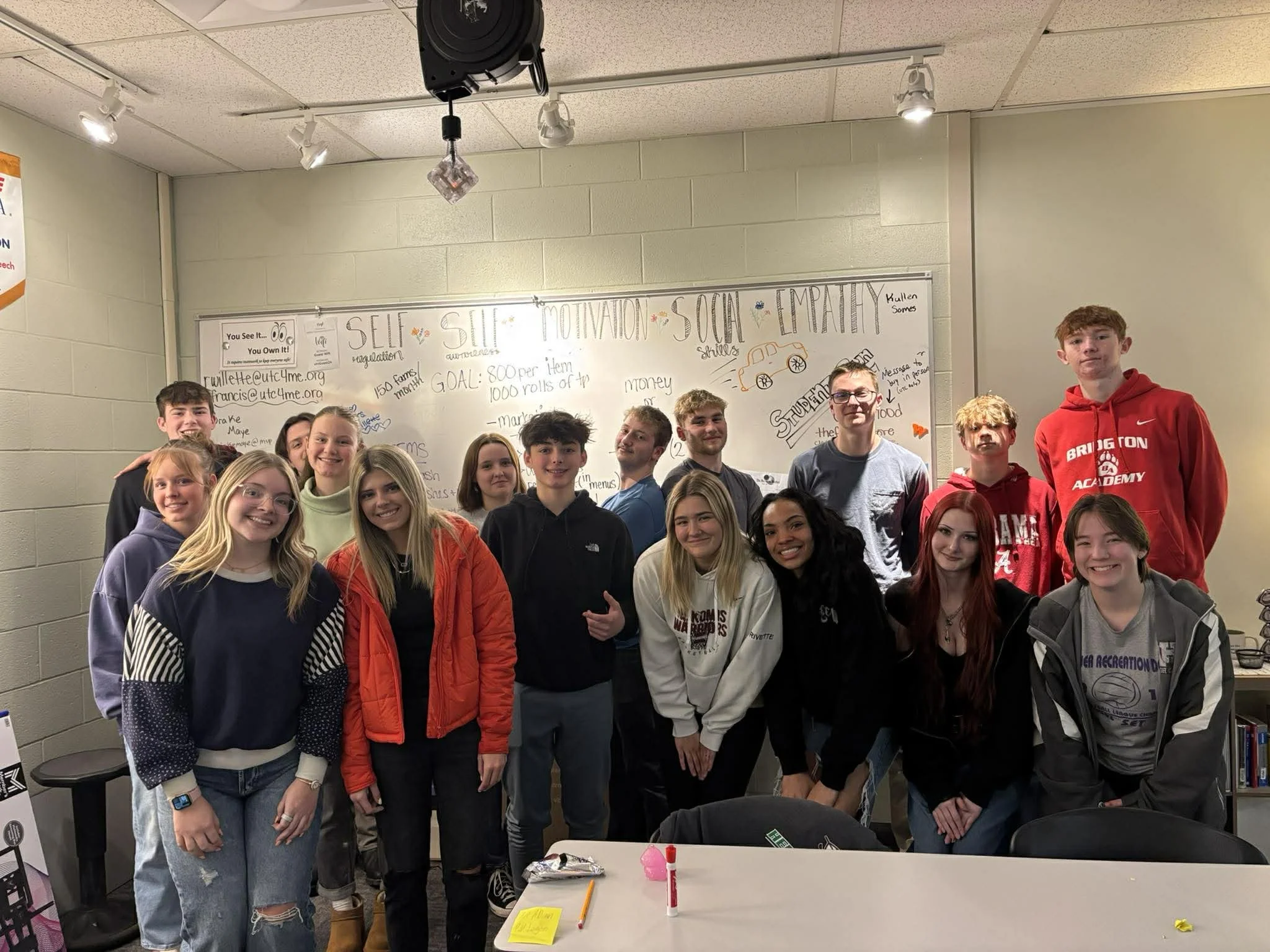
"So… Do We Get to Help?"
Looking back: Before the whiteboards filled up and the partnerships took shape, there was the moment a UTC student first asked, "So… do we get to help?" This post was originally written in February 2026.
For several years, Dorian has been invited to speak with students at United Technologies Center, sharing his journey and the impact that one young person can have on a community. During a previous visit, the students were so moved that they stepped in on their own, collecting three carloads of cereal for local families during the final weeks of school before summer break. There was no formal structure behind that effort, just heart and action, and it was a powerful reminder of what young people will do when they're inspired.
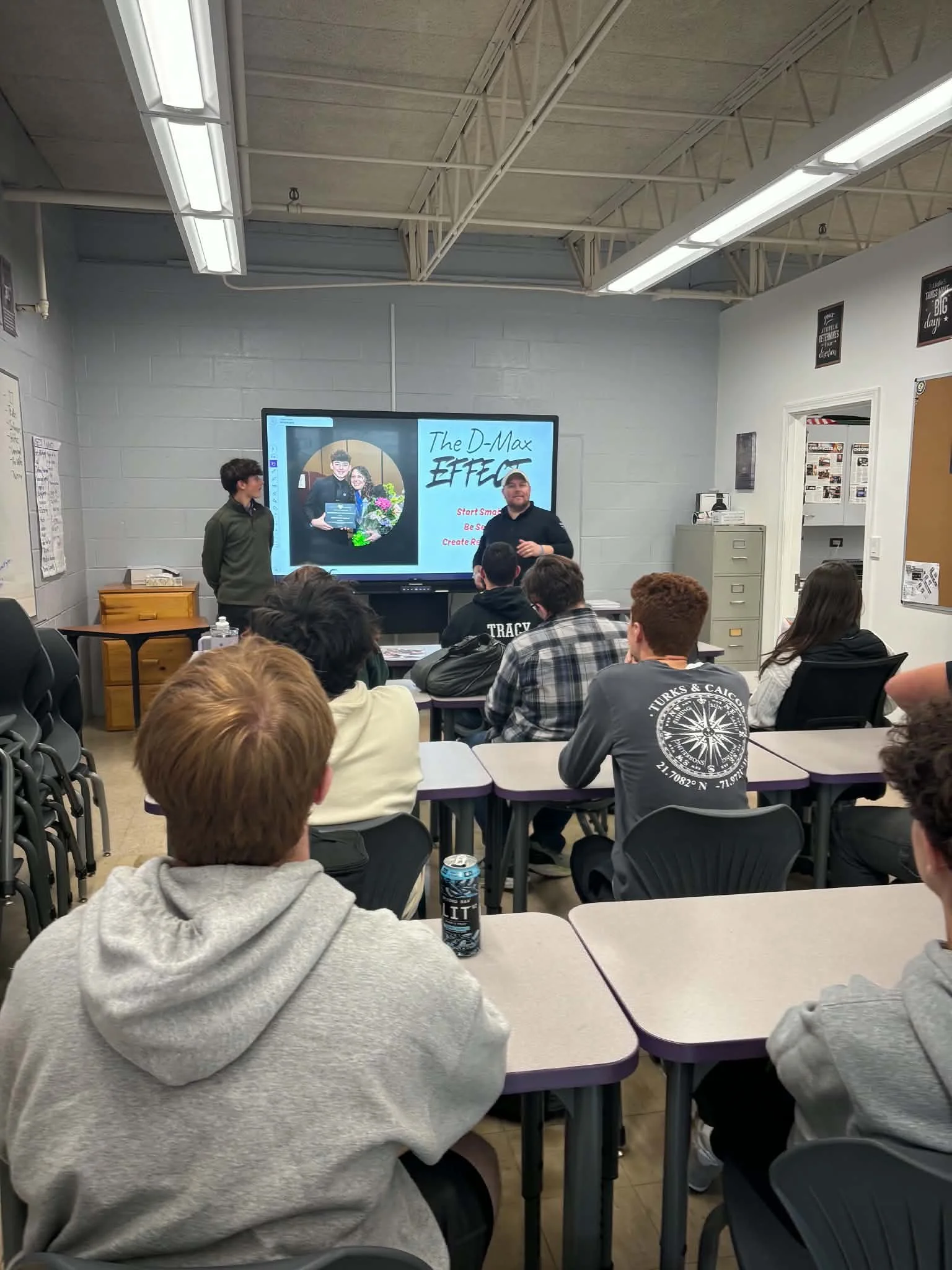
This visit, however, marked a meaningful shift. For the first time, I was there not only to support Dorian's story but to formally introduce The D-Max Effect, the leadership framework we've been building to turn empathy into organized, measurable community impact. And for the first time, we weren't simply inspiring students to help; we were intentionally inviting them into a structure they could lead themselves.
These high school students showed up ready. After I walked them through the framework and shared the nonprofit partnership behind this initiative, I paused for questions, and one student raised their hand and asked, with genuine excitement, "So… do we get to help?"
Just like that, the floodgates opened. The ideas, energy, and vision came pouring out, and the goals quickly climbed sky-high. UTC has 22 departments, and rather than supporting a single effort, the students set out to mobilize across all of them. If they reach the goals they're now setting, they won't just make an impact on one nonprofit; they'll have built the capacity to support several.
At one point, Dorian asked if he could pull up a chair and brainstorm alongside them. Watching him sit in that circle, not as the young person being showcased but as a peer and fellow collaborator, reinforced everything this framework stands for: leadership isn't about age or title, but about ownership and invitation.
We did have to gently rein in a few of the bigger event ideas (it turns out liability is a real buzzkill), but what mattered most was the mindset in that room. These students were thinking in terms of systems, collaboration, and sustained impact, which is exactly the kind of thinking The D-Max Effect is designed to develop.
None of this is theoretical. I've been teaching and practicing versions of this leadership model for years, in university classrooms, in community initiatives, and through the work Dorian and I have built together. What's happening now is the formalization of that experience into a named, structured framework that others can use and not just experience.
This visit was one of the first times I was able to introduce The D-Max Effect in its finalized form and invite students directly into it. Watching them step in so naturally confirmed what I've known all along: when young people are given real ownership and a clear framework, they don't hesitate. They lead.
The D-Max Effect is now available, not as a theory, but as a model built alongside the young leaders who are already putting it into action. And this is only the beginning.
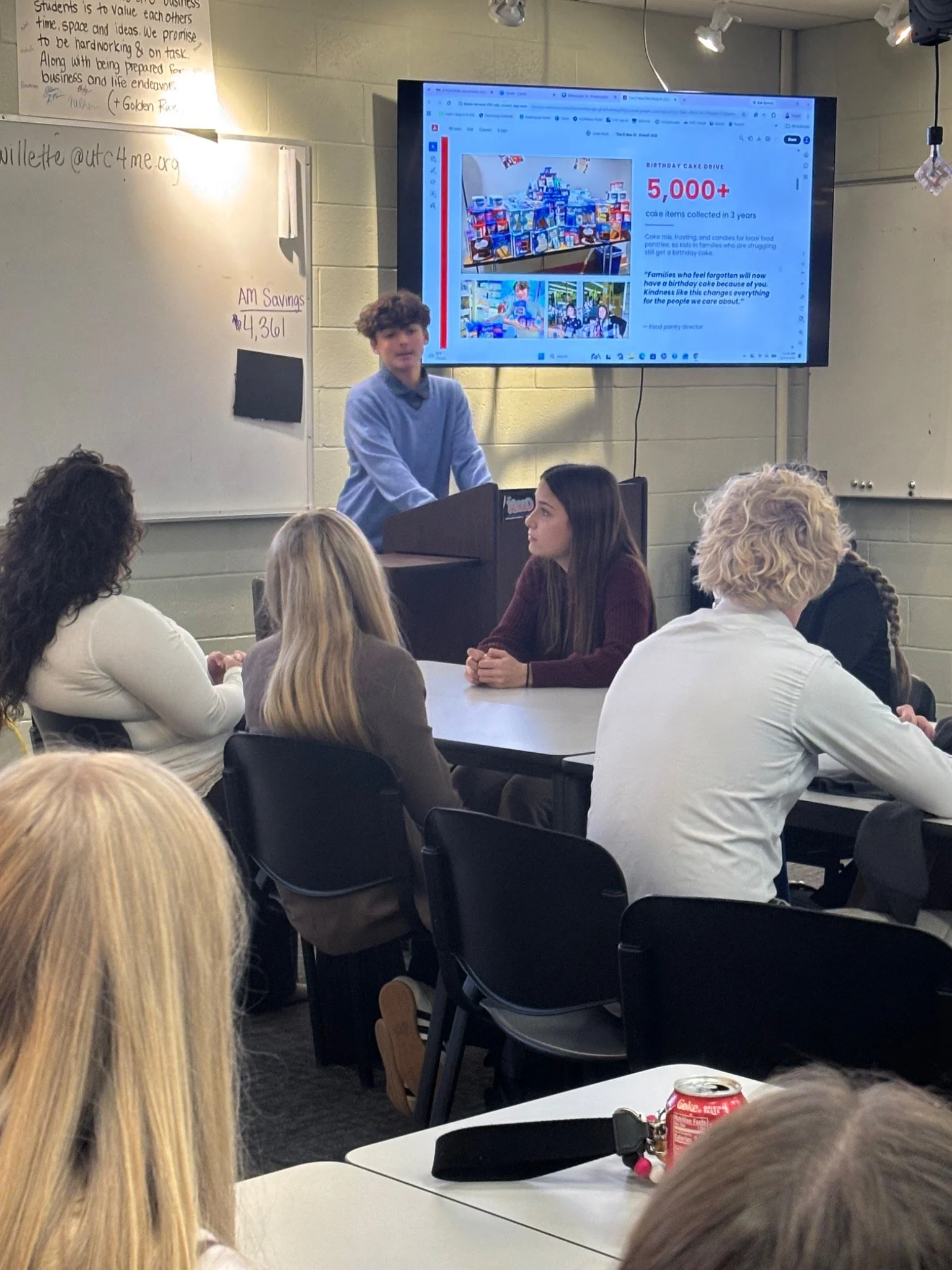
Zero Hands Went Up, and Every Business Owner Should Pay Attention.
"How many of you post on social media?"
I asked that question while standing in front of a room full of business students at United Technologies Center, and not a single hand went up. So I followed it with another question: "How many of you consume social media?" This time, every hand in the room went up, and that certainly got my attention.
We spend so much time chasing likes, comments, shares, and followers, yet here was a classroom full of teenagers who were consuming content every day without ever actively posting. It made me wonder: what if the people paying the closest attention to your business aren't the ones engaging with it at all?
During that same classroom session, students began identifying businesses that might support their community project through The D-Max Effect. One business came up specifically because of its generosity, and the student who mentioned it said simply, "They really care about the community. They donate a lot." That business had earned a place in the conversation, not through a visible like or comment, but through a reputation that someone remembered.
I don't know whether that student learned about the business online, at home around the dinner table, or by watching it show up in the community over the years, and that's precisely the point. Not everything that shapes someone's opinion can be measured on a dashboard.
As entrepreneurs, we've become very good at tracking what people click, but trust is much harder to measure. So is goodwill, and so is the lasting impression you leave on a young person who may someday become your customer, your employee, or a leader in your community.
One classroom certainly doesn't define an entire generation, but it reminded me of something worth holding onto: an audience can be silent without being absent.
Acadia Federal Credit Union funded this D-Max Effect experience, aligning its commitment to fighting hunger with a meaningful opportunity for students to lead. Their support is a reminder that some of the most powerful impressions a business makes come from what it actually does in the community, not just from what it posts online.
So keep telling your story, keep doing meaningful work, and keep showing up where it matters most, because the people who never hit "like" may very well be the ones who remember you the longest. Your audience might be quiet, but your reputation never is.
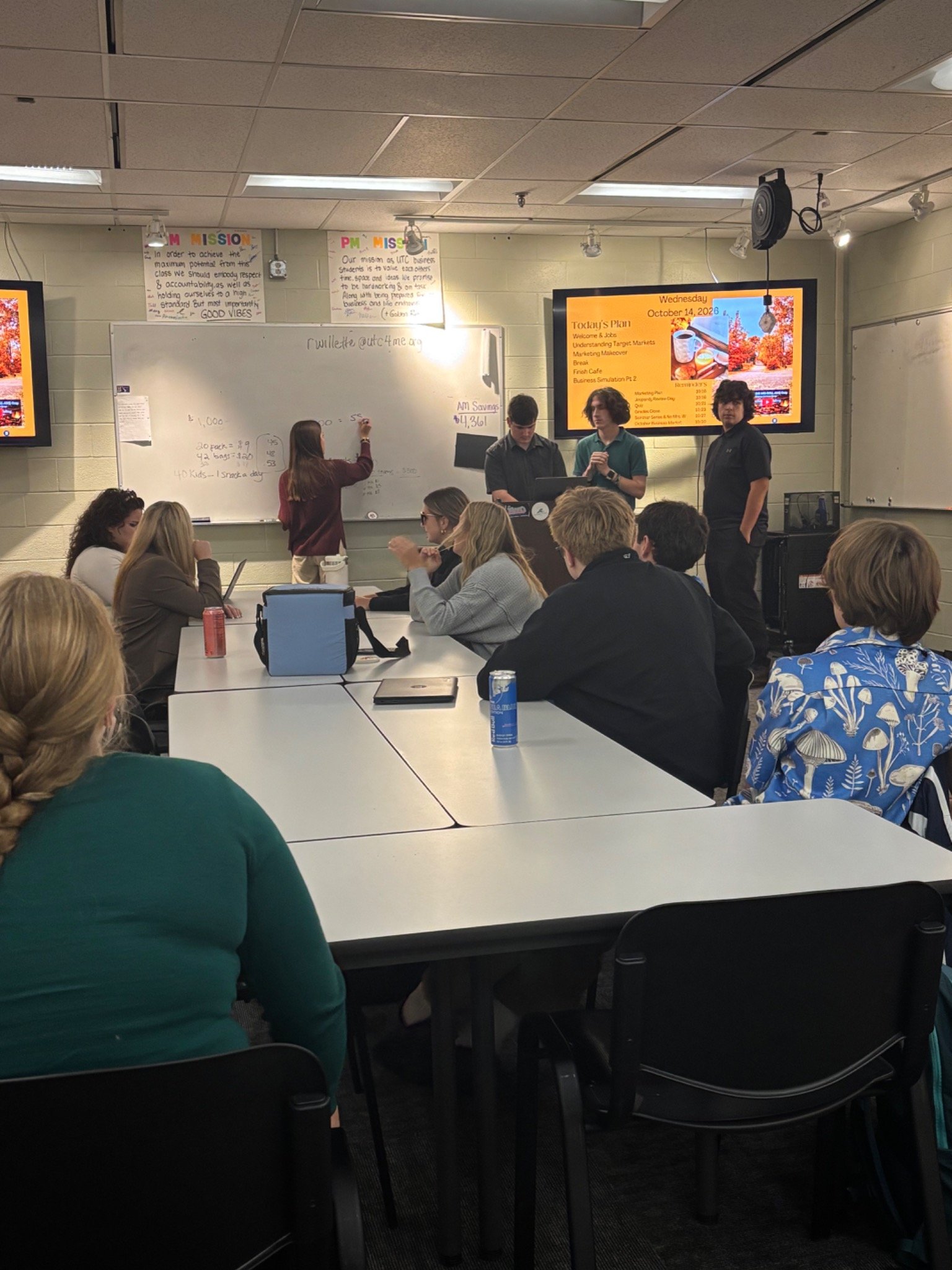
I Didn't Have to Tell Them What to Do, and That Was Exactly the Point.
One student stepped to the front of the room, another grabbed a marker, and before long the whiteboard was filling up with names: their parents' employers, local businesses, and people they knew who might be willing to help. Within minutes, a classroom full of teenagers was organizing itself around a real community need, and all I had to do was stand back and watch.
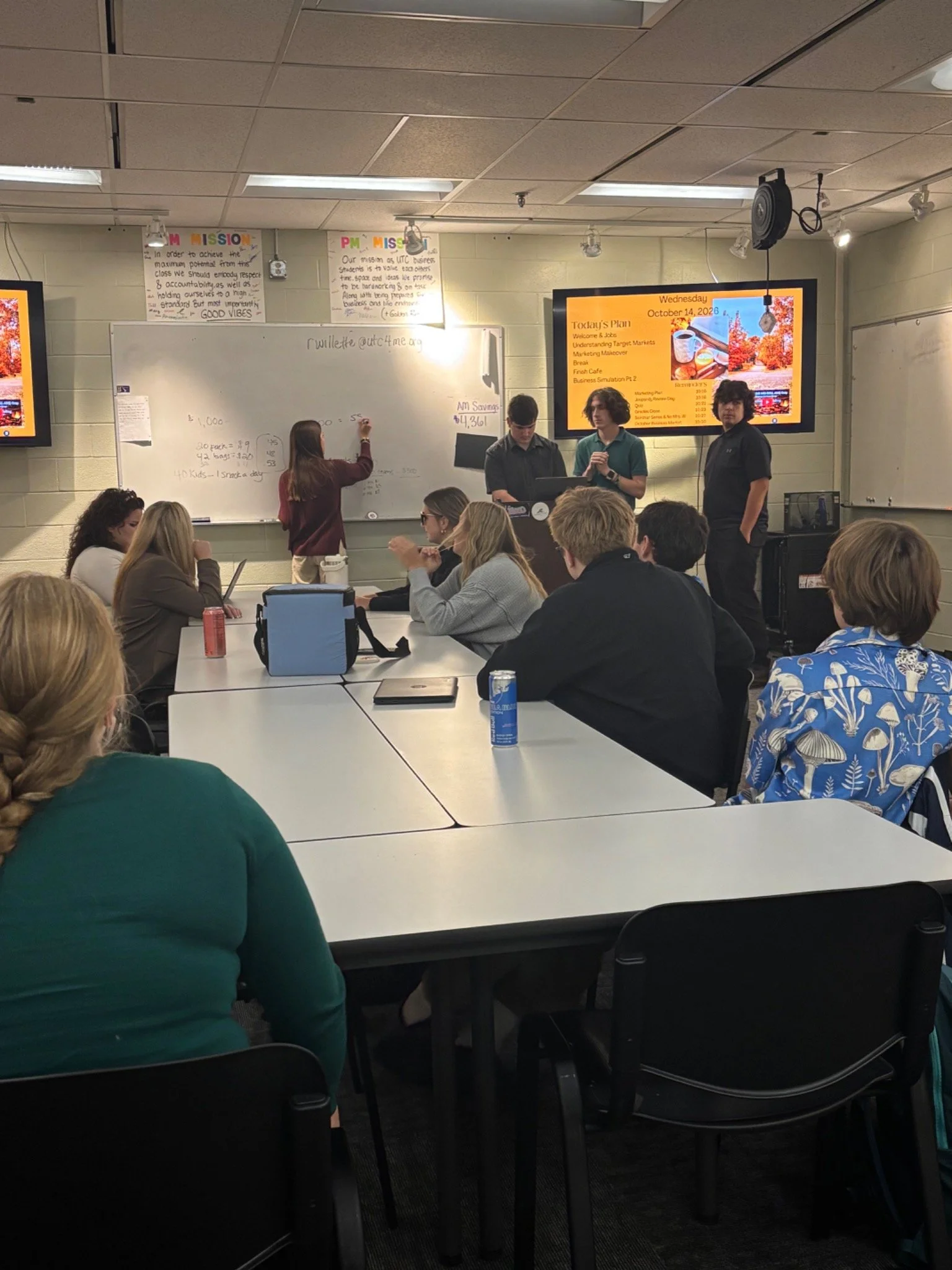
We were kicking off The D-Max Effect in the business program at United Technologies Center, and what I was watching wasn't an accident. It was the framework doing exactly what it was designed to do.
I've spent years building businesses, connecting people, and seeing what happens when young people are trusted with real responsibility. Those experiences, including years of community projects alongside my son Dorian, led me to develop The D-Max Effect, a structured approach to turning empathy into action and relationships into resources. I created it because having a good heart isn't the same as knowing how to make something happen, and wanting to help isn't the same as having a plan. That gap between good intentions and real results is precisely what The D-Max Effect was built to close.
At UTC, the students weren't simply brainstorming ways to volunteer. They were identifying assets, mapping their relationships, recognizing potential partners, and setting goals tied to a genuine need in their community. In other words, they were applying the same fundamentals I've relied on throughout my entrepreneurial career, and they were doing it entirely on their own.
That's what makes this approach different. We don't hand students a finished project and ask them to participate; we give them a framework they can use to build and lead one themselves. The result is far more than an opportunity to give back, because it's practical, hands-on experience in entrepreneurship, communication, accountability, and leadership. And there is something truly powerful about watching a teenager realize that the people they know, the ideas they have, and the actions they take can actually change something in the world around them.
I want to extend a special thank you to Acadia Federal Credit Union for making this experience possible. Through our shared commitment to fighting hunger, this partnership brings together two things I believe in deeply: meeting real community needs and giving young people the tools they need to lead. We're not just helping students understand hunger in their community; we're giving them a framework to actually do something about it.
The UTC students are only getting started, and their results are still ahead of them. But the first milestone was already visible on that very first day, because they weren't waiting for someone else to take charge. They were taking ownership, and that is exactly what The D-Max Effect is designed to do: turn potential into capability.
Take the Meeting
One mentor's time changed a young philanthropist's life. Now Dorian is bringing that lesson to high school classrooms through The D-Max Effect youth leadership program.
Sometimes the most important thing you can give a young person isn't money. It's proof that their ideas matter.
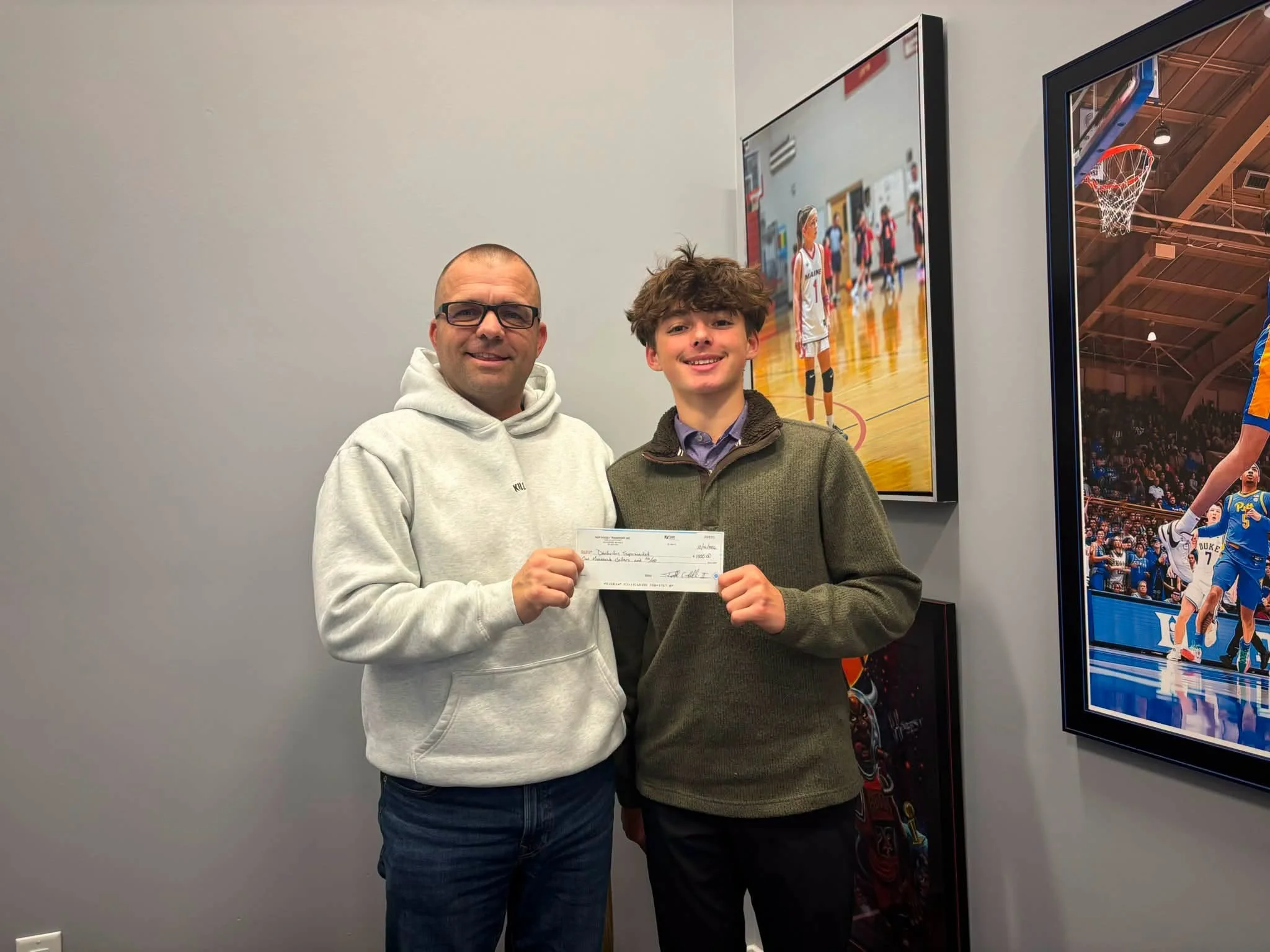
When Dorian was planning his birthday cake fundraiser, an effort to make sure children in families who are struggling still get to celebrate their birthdays, he came to me with a request. He had met Ricky Hughes a few times, really looked up to him, and asked if I would reach out to see whether Ricky might help him come up with a plan. Ricky didn't just send a quick note of encouragement. He sat down with Dorian, listened to his ideas, asked thoughtful questions, and helped him map out how to turn a vision into something real. Then, without being asked, he donated $1,000 to help Dorian reach his goal.
The $1,000 helped him reach his goal. The time Ricky gave him will shape his life.
Ricky is one of many adults who have stopped, listened, and taken Dorian seriously over the years. A business owner who returned a call, a community leader who made an introduction, a mentor who asked what he thought instead of telling him what to do. Each of those moments built something in him: the confidence to ask, the courage to think bigger, and the belief that people will show up when you invite them in. Today, Dorian's birthday cake drive has collected more than 5,000 cake items in three years for local food pantries, and every one of those cakes traces back, in some way, to an adult who decided a young person's idea was worth their time.
From Being Lifted Up to Lifting Others
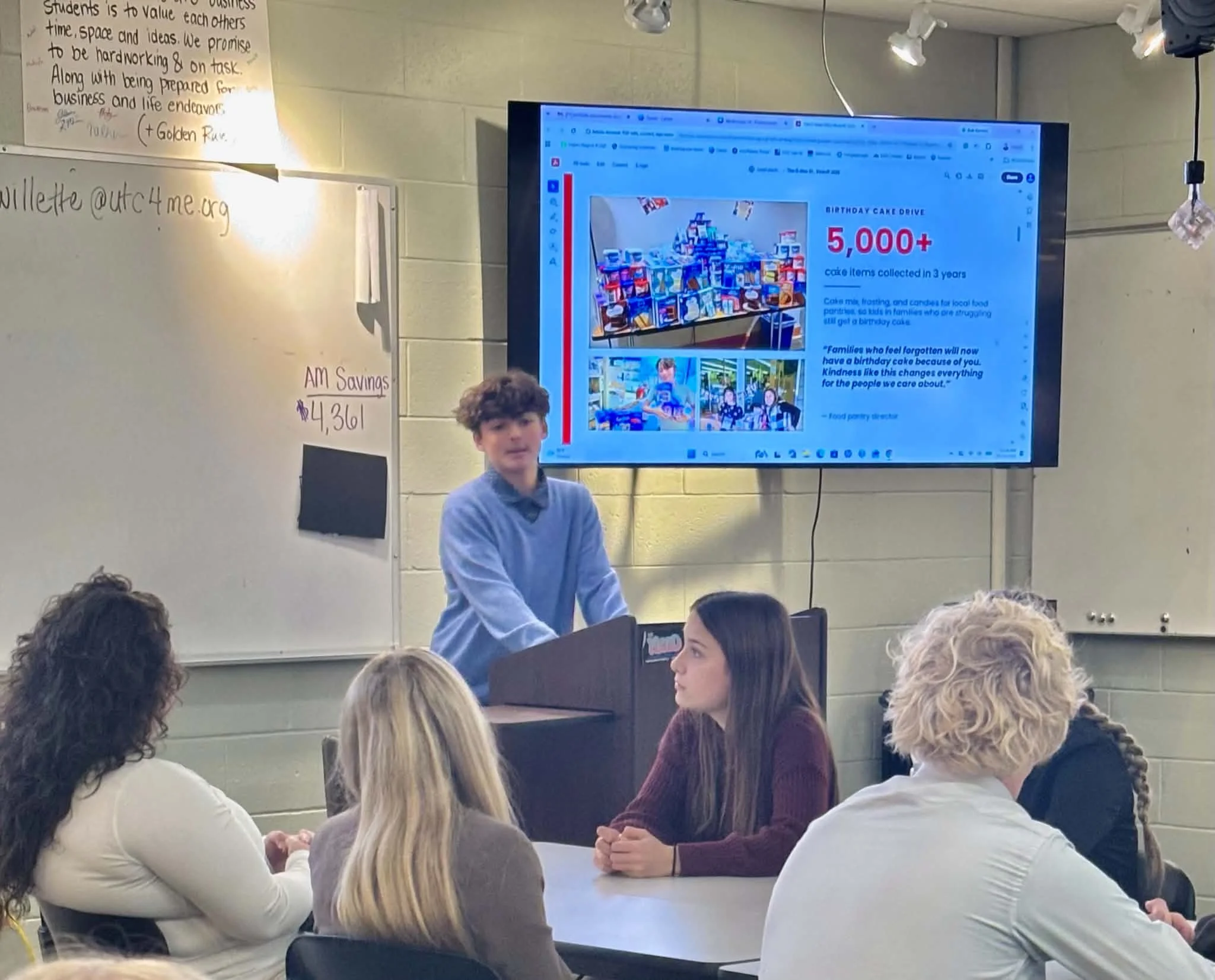
Dorian presenting at a kick off of The D-Max Effect
Now Dorian is the one walking into classrooms. As the inspiration behind The D-Max Effect and a nationally recognized young entrepreneur and philanthropist, he stands in front of students and tells them about the adults who believed in him. Then he helps them see something most young people have never considered, that those same kinds of people are already in their own lives, waiting to be asked.
It's one of the core beliefs of The D-Max Effect: you already know more people than you think. And there's something powerful about hearing it from a peer rather than an adult. When Dorian shares his story, students don't see a guest speaker. They see someone like them who asked for help, was taken seriously, and built something that matters. In that moment, he becomes the bridge between young people with big ideas and the adults who can help bring those ideas to life.
Every time a student in a D-Max Effect classroom works up the courage to reach out to a business owner, a coach, or a neighbor, what Ricky and so many others gave Dorian travels a little further. That's the ripple effect of listening to a young person. It doesn't stop with them. It moves through them to everyone they inspire.
A Note to Every Adult Reading This
When a young person comes to you with an idea, take the meeting. Listen before you advise. Ask what they think. You may never know how far your time will travel, but I can promise you it will travel further than you imagine.
Bring The D-Max Effect to Your Classroom
Thanks to funding from the New England Prevention Technology Transfer Center (NE PTTC), two more high school classrooms can experience The D-Max Effect this year at no cost to their schools. Over six weeks, students partner with a nonprofit, tackle a real community need, discover the power of their own networks, and turn their ideas into meaningful action. And you don't need to be an expert to make it happen, because Dorian and I will support you every step of the way, from kickoff to celebration.
Imagine your students learning what Dorian learned: that their ideas are worth hearing, and that the people around them are ready to help. Spots are on a first-come, first-served basis. Email lisa@poweroftransparency.com with the subject line "Bring The D-Max Effect to My Classroom!"
Let's show your students what's possible when someone takes the meeting.
They Start Small. Then They Adjust Up. Every Time.
Every time we step into a new D-Max Effect classroom, I see the same patterns unfold, from the moment students realize they've been underestimating themselves to the four words they said to Dorian that told me everything about what young people are really looking for.
One of my favorite things in the world is discovering patterns, and as we've launched new D-Max Effect projects in classrooms this fall, I've found myself noticing a few that repeat so consistently they've started to feel less like coincidence and more like truth about how young people grow when we give them the chance.
The first pattern shows up on day one. At the start of every project, I ask students to set a financial goal, to name how much they believe they can raise and what kind of impact they think they can make. Almost without exception, they start small. Most young people have never been asked to look at the people already in their lives as a source of ideas, introductions, and support, so they quietly assume they're starting from nothing. That's why one of the core beliefs of The D-Max Effect is that you already know more people than you think. Once students begin to see their world that way, something remarkable happens. When I ask them to revisit their goal, they adjust it upward, every single time, and you can actually watch their confidence rise in the room as they realize what's possible.
The second pattern is one I feel more than I see. At the beginning of our sessions, I'm at the front of the classroom guiding the conversation and setting the direction. But as students begin shaping their projects, the energy shifts. Ideas start moving around the room, students challenge and build on one another's thinking, and ownership passes from me to them. Little by little, I find myself moving from the front of the classroom to the outside looking in, and I've learned that it's one of my favorite places to be, because the goal was never for me to lead their projects. It was to help them realize they could.
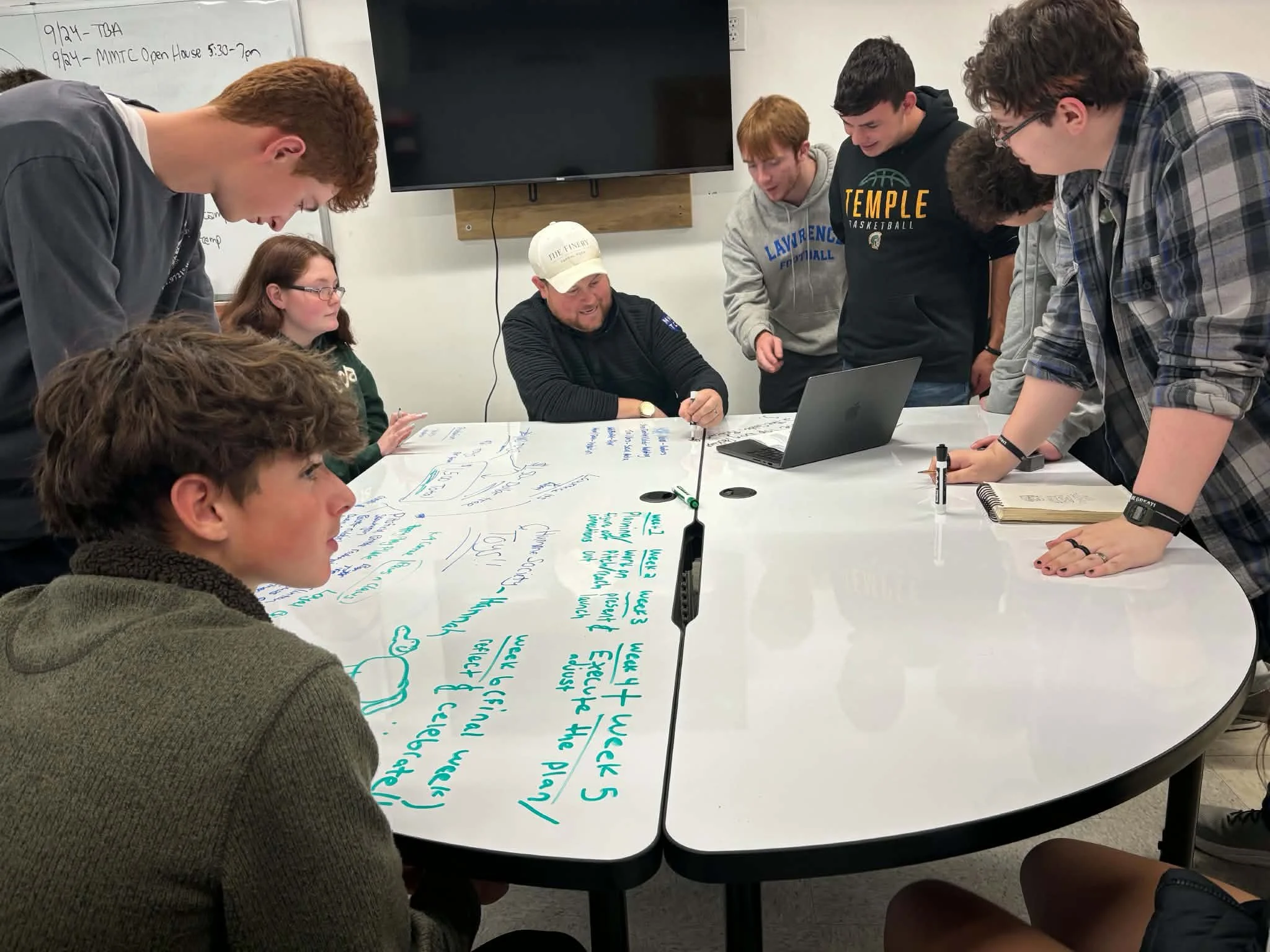
D-Max brainstorming with the class!
The third pattern belongs to Dorian, the inspiration behind The D-Max Effect and a nationally recognized young entrepreneur and philanthropist. Dorian may begin a session at the front of the room with me, but he always finds his way into the group, pulling up a chair, listening, sharing ideas, and becoming part of the conversation rather than standing above it. During one recent session, as students were signing the code of conduct that marks their commitment to one another, they turned to Dorian and asked him to sign it too. "You're part of us now!" they told him. In that moment, it was clear that Dorian wasn't there to be the star of the classroom. He was there to be part of something alongside other young people, and they recognized it instantly. It's living proof of something I believe deeply, that leadership doesn't wait for age, a title, or permission.
When I step back and look at these patterns together, I see students thinking bigger, discovering the power of relationships, taking ownership of their ideas, and beginning to see themselves as people who can make a real difference. That matters far beyond any single project, because connection, belonging, and purpose have taken root. The D-Max Effect has never really been about fundraising. Fundraising is simply the vehicle. What it's truly about is helping young people discover what they're capable of when someone gives them the tools, the trust, and the opportunity to lead.
Only Two Classrooms Left. Is One of Them Yours?
Thanks to funding from the New England Prevention Technology Transfer Center (NE PTTC), two more high school classrooms have the opportunity to experience The D-Max Effect this year at no cost to their schools. Over six weeks, your students will partner with a nonprofit, take on a real community need, and turn their ideas into meaningful action, learning leadership not from a textbook but by living it. And you don't need to be an expert to make it happen, because Dorian and I will be right there supporting you every step of the way, from kickoff to celebration.
Imagine your students walking into class with ideas they can't wait to share, raising their goals because they finally believe they can reach them, and leaving with a story they'll carry into college interviews and job applications for years to come. That's what happens in a D-Max Effect classroom, and I'd love for yours to be next.
Spots are on a first-come, first-served basis. To claim one, email lisa@poweroftransparency.com with the subject line "Bring The D-Max Effect to My Classroom!". Let's show your students what they're capable of.
It Will Bring Us Closer.
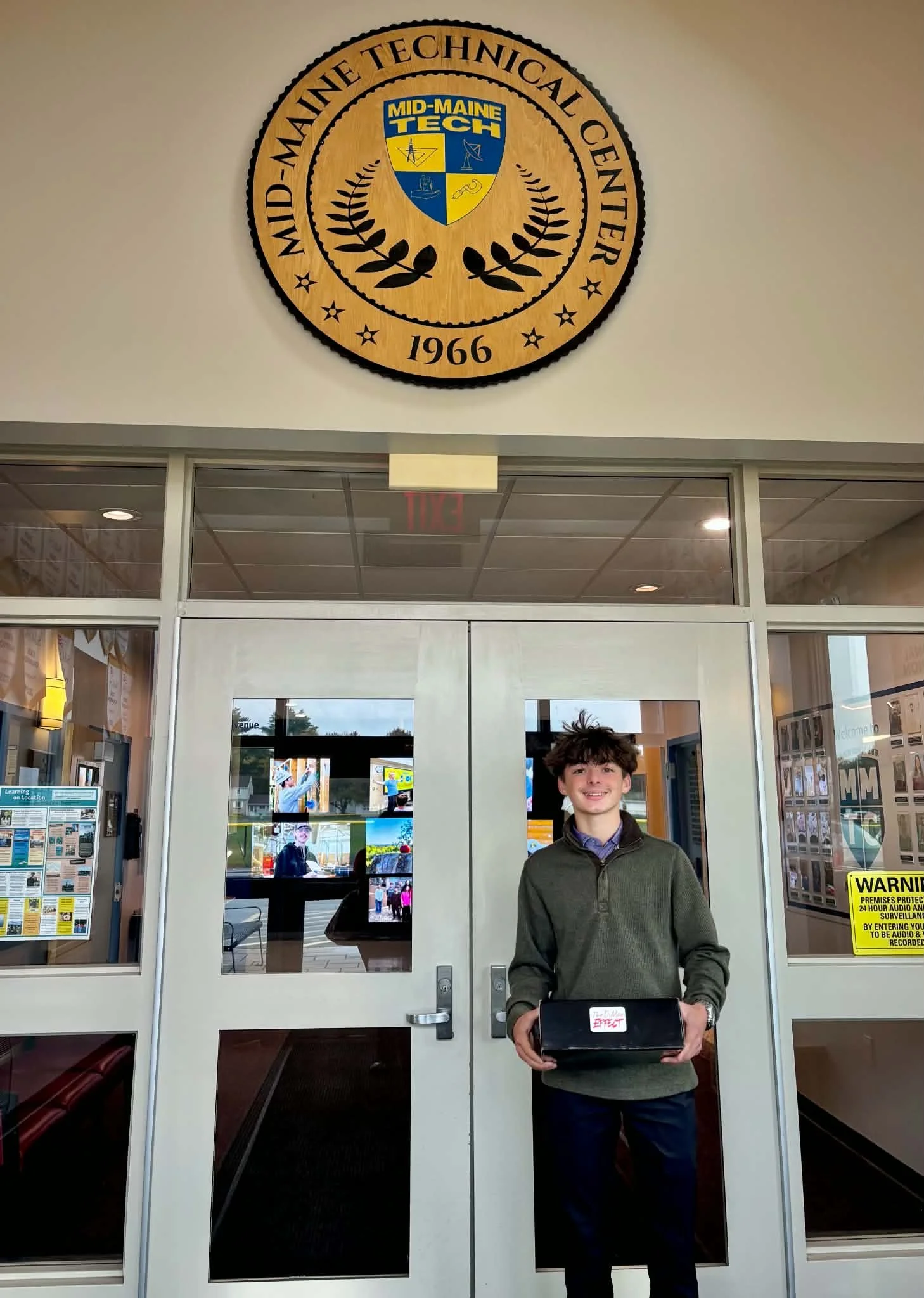
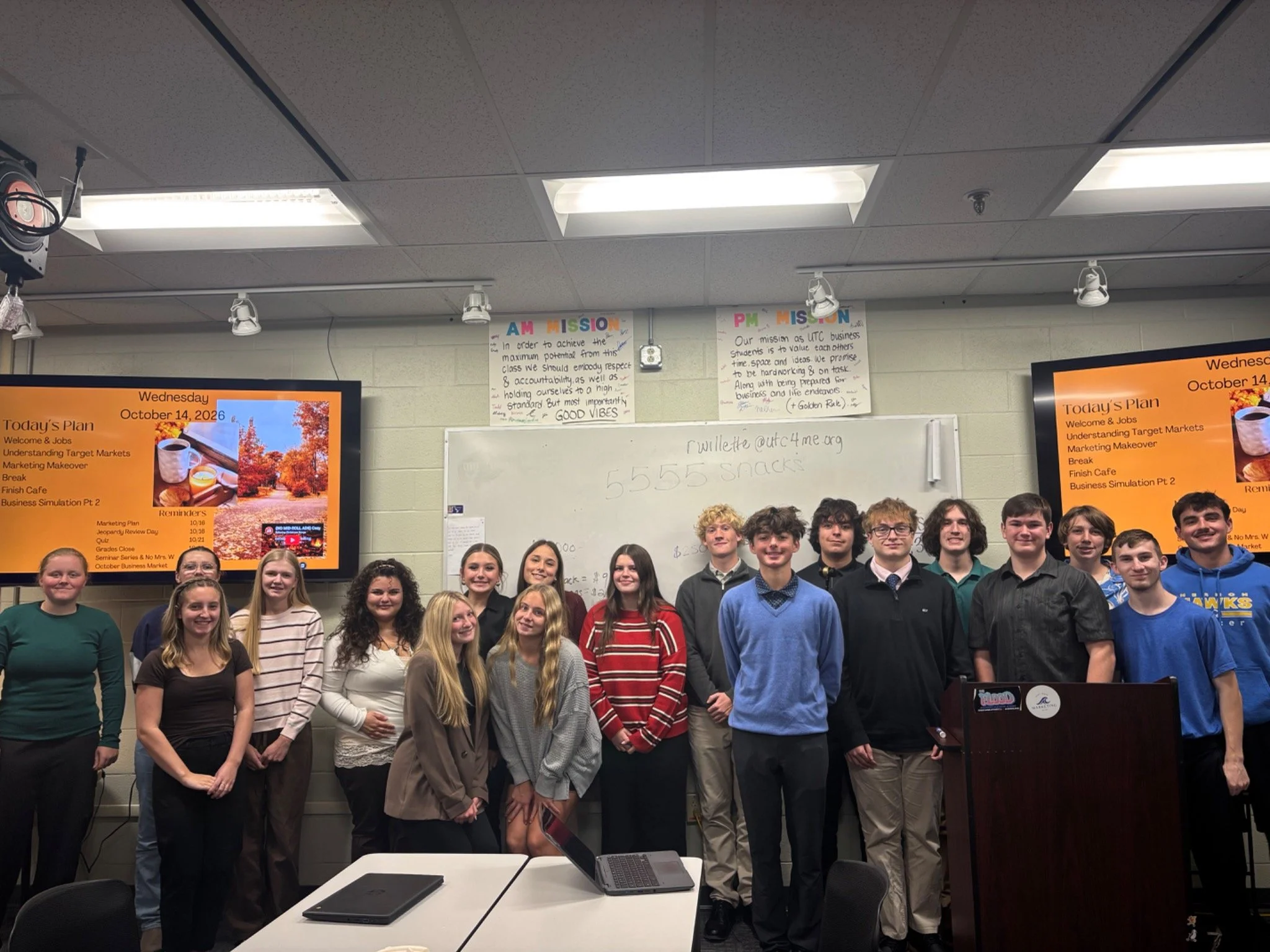
On day one of The D-Max Effect at Mid-Maine Technical Center, a student summed up the entire program in four words, before a single project had even begun.
We kicked off another round of The D-Max Effect, this time with the Business Program at Mid-Maine Technical Center, and once again I walked away reminded of why I love this work so much.
There's something incredibly energizing about watching young people start with a blank slate, share ideas, challenge each other, and begin building a vision for something they'll create together.
As class was winding down, I asked the students one simple question: "What do you think this project will do?"
One student answered, "It will bring us closer."
Four words that pretty much sum up everything we're trying to accomplish.
Their teacher agreed, sharing that most of their projects are completed individually. That made it even more meaningful to watch these students form teams, discover each other's strengths, and start working toward a common goal.
And that's the magic of The D-Max Effect.
The D-Max Effect is a six-week leadership program that uses our proprietary framework to challenge students to connect with a nonprofit, tackle a real-world problem, and turn their ideas into meaningful action. It's not just about what they create or the goals they reach. It's about what happens along the way, as they learn to communicate, collaborate, lead, trust each other, and realize what they're capable of when they work together.
Maybe the most powerful part is this: before a single goal has been reached or a single project completed, one student already recognized something that matters far beyond the classroom. Bringing people together is an accomplishment in itself.
Watching students take ownership of their ideas and turn a vision into a plan is one of the best parts of what I do, and I couldn't be prouder or more excited to see what this group accomplishes.
Because The D-Max Effect isn't just about what students create. It's about who they become in the process.
Thanks to funding from the New England Prevention Technology Transfer Center (NE PTTC), we're looking for TWO more high school classrooms ready to experience The D-Max Effect!
Want your students to be part of it? Send me an email! Let's make it happen!
Hey, Business Owners. They See You.
"They really care about the community, and they donate a lot."
I wish the owner of that business could have heard those words, because they didn't come from a customer, a board member, or a marketing consultant. They came from a teenager.
We were kicking off The D-Max Effect at United Technologies Center, where business students were working to identify potential partners who could help address hunger in their community. One student grabbed a marker, and before long the whiteboard was filling up with names: their parents' employers, local businesses they passed every day, and people they knew personally.
Then someone mentioned a business known for giving back, and I stopped in my tracks, because I realized that this company's reputation had walked into that classroom without them.
Think about what that means. The Little League team you sponsored, the fundraiser you supported, the neighbor you quietly helped, and the check you wrote without ever expecting recognition were all noticed by someone. That someone wasn't necessarily one of your customers or one of your social media followers, but a teenager who was paying closer attention than you might imagine. And when that teenager needed someone to help solve a real problem in their community, your name was the one that came to mind.
I've spent years building businesses and connecting people, and I know how much energy we pour into getting others to recognize our brands. But I've come to believe that recognition and reputation are not the same thing. Recognition means people know your name, while reputation means people know what you'll do when someone needs you.
That difference is exactly what I witnessed in that classroom. This young person wasn't choosing a business because of its advertising or its logo; they were remembering its character. And in that moment, all of those small acts of generosity suddenly didn't seem so small anymore.
I want to extend a special thank you to Acadia Federal Credit Union for funding this D-Max Effect experience. Their commitment to fighting hunger reflects the very kind of community investment these students are learning to recognize, value, and carry forward into their own futures.
One of the most powerful lessons behind The D-Max Effect is that our actions travel much further than we ever will. Sometimes we get to see the impact of what we do, and sometimes we never do. But somewhere out there, a young person is paying attention to how you show up for your community, and one day, when someone asks who they can count on, your name might be the very first one they say.
The Room You Don't Feel Ready For
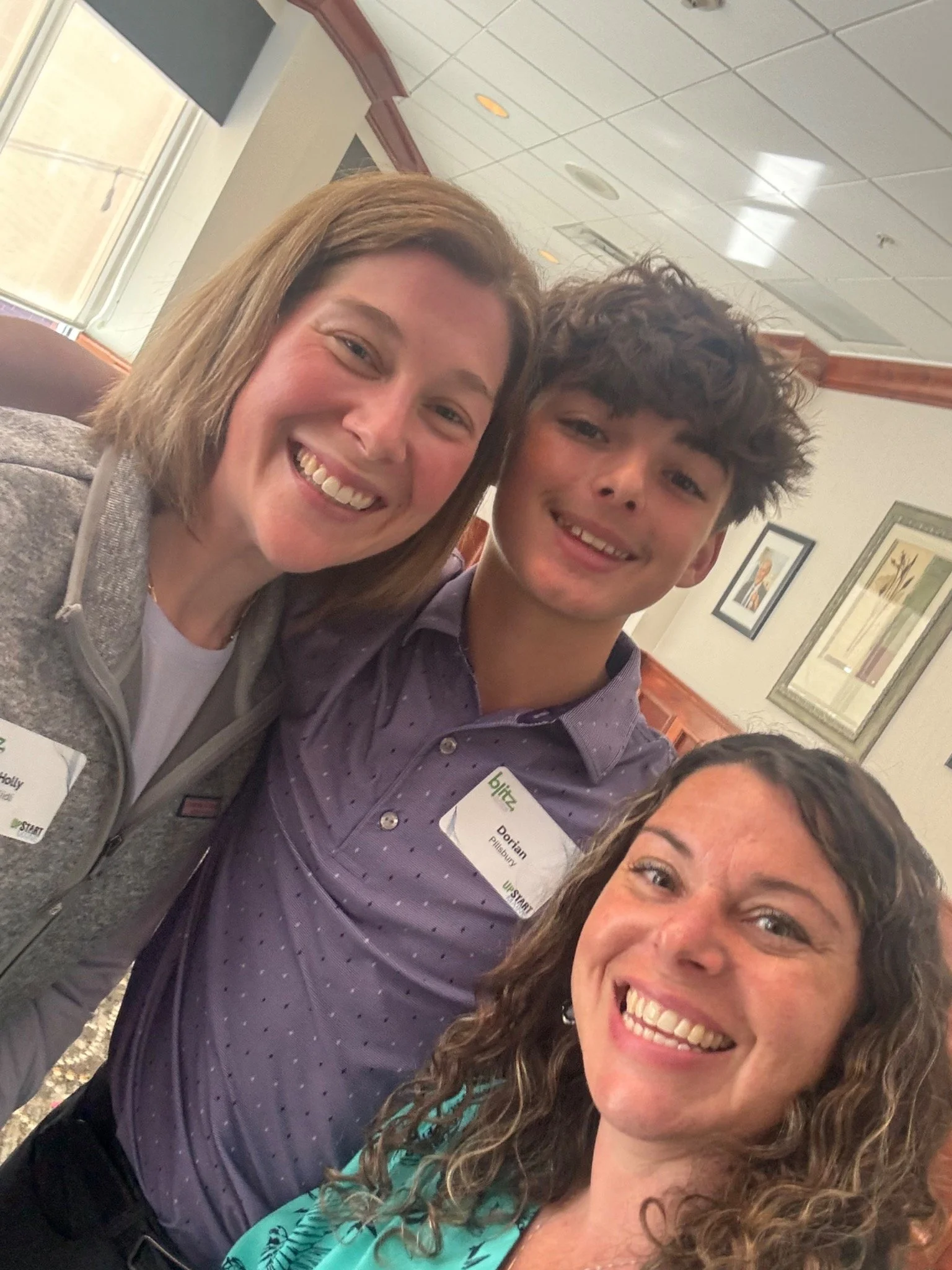
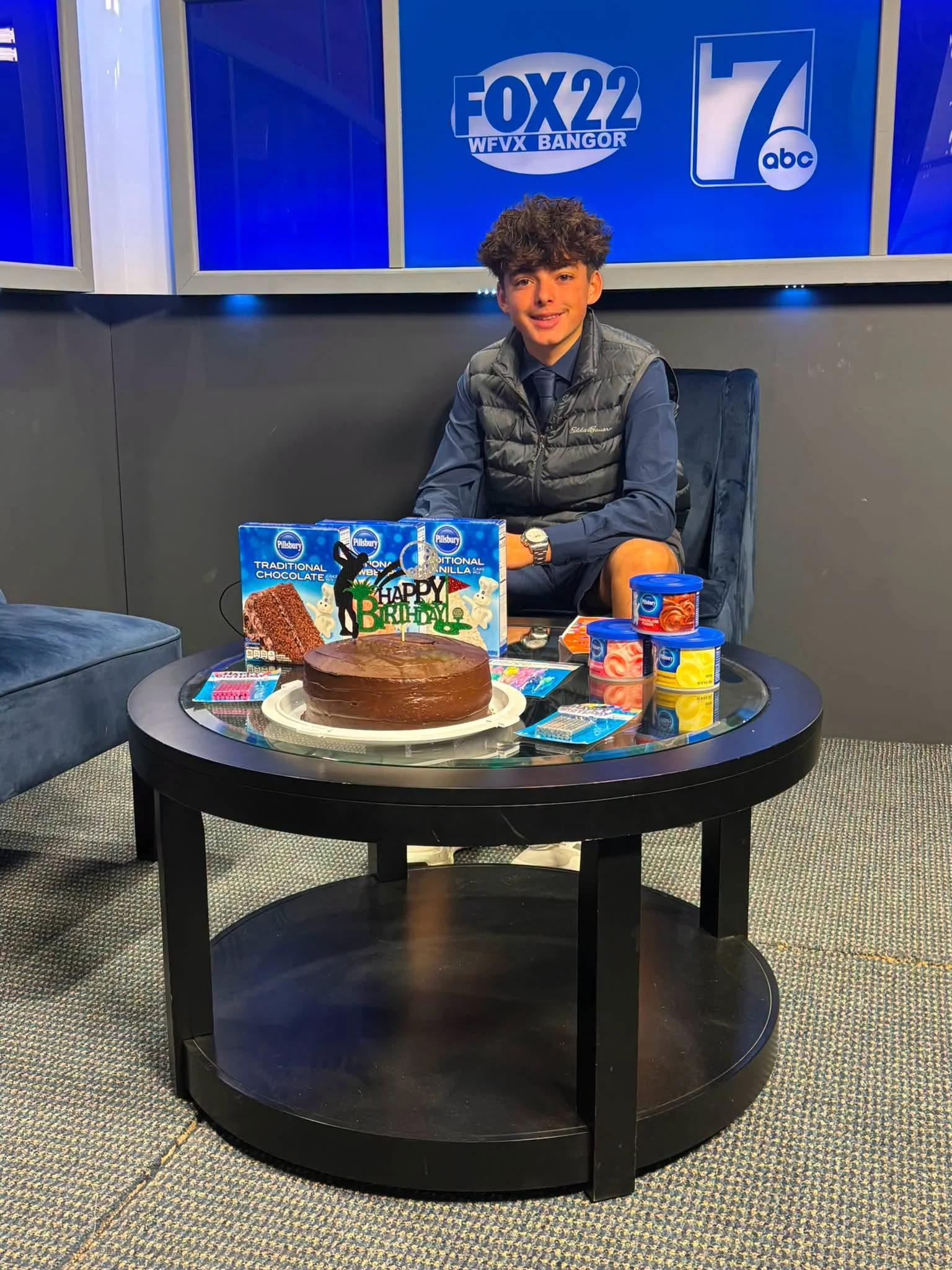
Blitz is the entrepreneurial conference I put on to bring resource providers, entrepreneurs, and students into the same room to learn. This year, about a third of that room was students.
One of them I had met the year before, when he went through The D-Max Effect pilot. Now here he was, surrounded by founders and professionals who had done this a hundred times.
You could see it on him. He was overwhelmed, working hard to come out of his shell. He didn't raise his hand or ask a question. But he stayed locked in, taking notes on every speaker and absorbing all of it.
He didn't feel ready for that room. He was in it anyway. And that is exactly where growth starts.
I Had Forgotten What That Feels Like
I'm a natural extrovert. Put me in almost any room and I'll find someone to talk to. So watching him, I had to stop and genuinely remember the first time I walked into a professional space. The feeling that everyone else got a handbook I missed. Rehearsing a sentence three times before saying it out loud. The quiet relief when it came out fine.
Comfort in a room is earned. Most people who look at ease weren't born that way. They've simply been in enough rooms that fear stopped making their decisions. That student reminded me that the distance between overwhelmed and confident isn't talent. It's repetition.
Leadership Is Built in Reps
We say we want leaders who can speak up, think on their feet, handle pressure, and walk into a room of strangers and find their footing. But those skills aren't learned in a lecture. They're learned by being extremely uncomfortable and doing it anyway. Again. And again.
If we want those leaders, we have to give them reps.
That's what The DMAX Effect exists to do. We create opportunities for young people to step into real rooms, with real stakes, before they feel ready. Think of it like working with a personal trainer. A good trainer doesn't lift the weight for you, and doesn't hand you something that will crush you. They put the right load in front of you, coach your form, and spot you while you build strength you couldn't build alone.
We're in the room to teach, to encourage, and to make sure the discomfort turns into growth instead of retreat.
What Seven Years of Reps Looks Like
I see the payoff every time I watch Dorian do a live interview. Camera on, no retakes, questions he hasn't seen coming. He isn't stressed. To him, it's just another day.
That calm didn't come from nowhere. It comes from more than seven years of exposure: showing up in rooms, stumbling, adjusting, and showing up again. What looks like natural ease is really thousands of small reps stacked on top of each other.
Every confident professional you admire has a version of that story. The student at Blitz is already a few reps into his.
Growth is uncomfortable. There's no way around that. But I have deep respect for anyone who feels the discomfort and shows up anyway, because that is the whole game. That student will go places because he didn't let being overwhelmed keep him out.
So here is my invitation, to two kinds of people.
If you're the one who doesn't feel ready: come into the room anyway. Take the notes. Listen hard. Speak up when you're ready. You'll discover, sooner than you think, that you have something to contribute.
And if you're the one who's comfortable in every room: remember what it felt like at the start, and hold the door open. Bring someone with you. Give them a rep.
That's The D-Max Effect. And every room is better with them in it.
He’s Never Played Football. They Still Show Up.
Dorian has never played a single down of football. He's never worn the pads, never run a drill, never stood in a huddle.
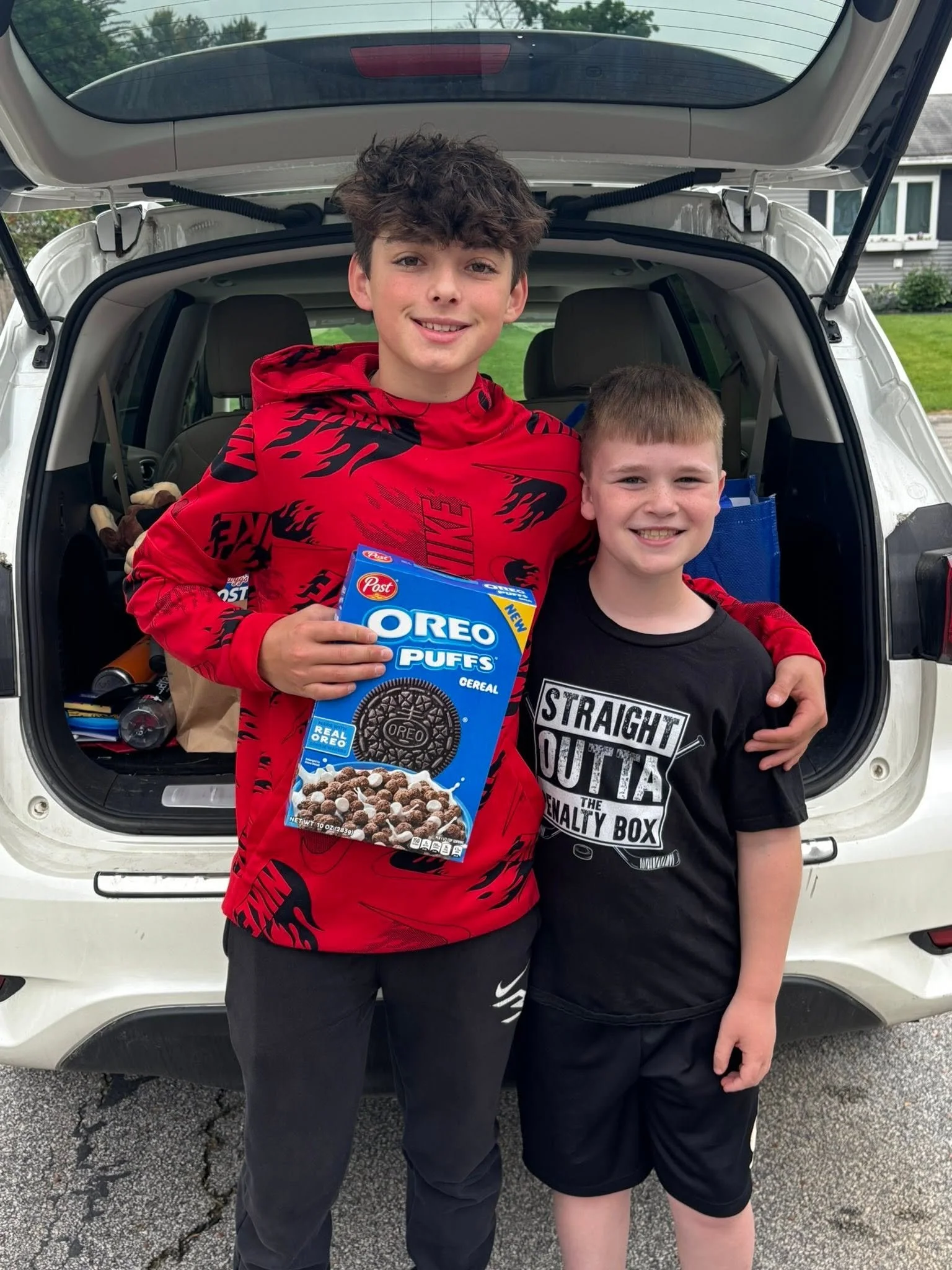
But for two years straight, when he's posted about his cereal drive or his birthday cake fundraiser, Brewer Youth Football has shown up with a carload of donations.
It would be easy to credit a good ask. I don't think that's what happened. The relationship came first. Long before Dorian asked Brewer Youth Football for anything, he was showing up for them. At their games and around the community.
So when his cereal drive appeared in their Facebook feed, his name wasn't unfamiliar. Nobody had to wonder who he was or whether he was for real. They already knew him.
There's a leadership lesson in that, and I think we overlook it all the time.
We spend a lot of energy teaching people how to make the ask. How to write the pitch. How to promote the cause. How to get more eyes on it. Those things matter and I preach them but the best ask in the world still lands differently when it comes from someone you already know.
Visibility gets you seen. Relationships get you trusted and you need both. Relationships can't be built only when you need something. They're built in the months and years before the ask: by showing up, paying attention, supporting other people, and becoming part of a community instead of simply asking something from it.
Dorian probably wasn't thinking about any of that while he stood on the sidelines at a football game. He wasn't building a donor list or playing a long game. He was just showing up.
That's the part I want young leaders to hear. Showing up for others, with nothing to gain, isn't a nice extra. It's the foundation everything else stands on and like any leadership skill, it's built in reps.
Now, two years in a row, Brewer Youth Football has shown up for him.
Reputation is currency and Dorian's was spent well.
It helped stock the shelves of a food pantry. It put cake mixes, frosting, and candles in the cupboard on the pediatric floor of the hospital, where the smell of a cake baking and the joy of licking the spoon bring a little happiness to a hospital stay.
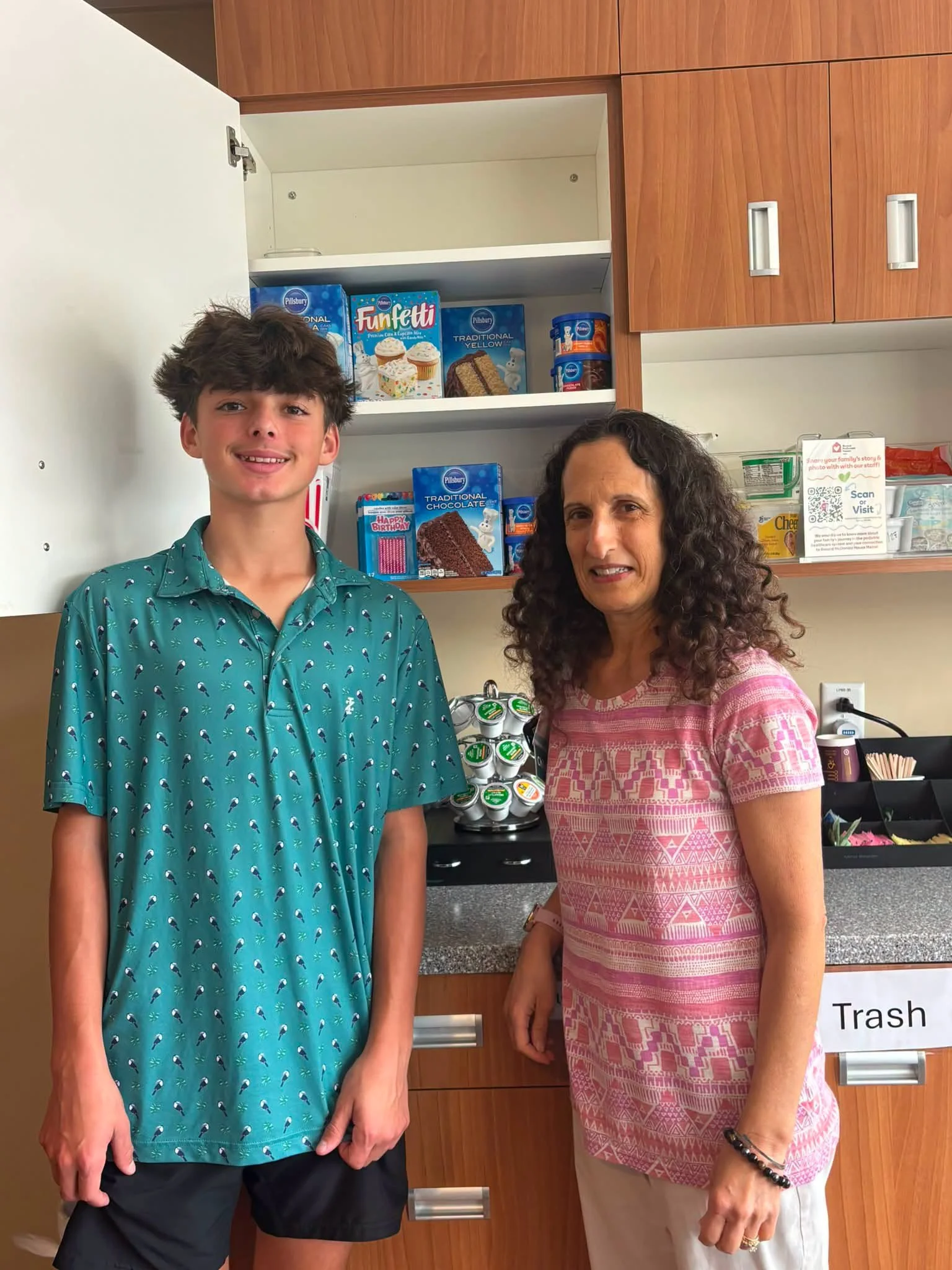
Dorian with Amy, Child Life Specialist at Northern Light Health
So here's my question for you. Whose games are you at? Whose events, whose wins, whose hard seasons? Not because you need something, but because they matter to you.
Go stand on someone's sideline this week. Cheer for something that isn't yours.
Because one day you'll make an ask. And it will land completely differently when it reaches people who already know your name.
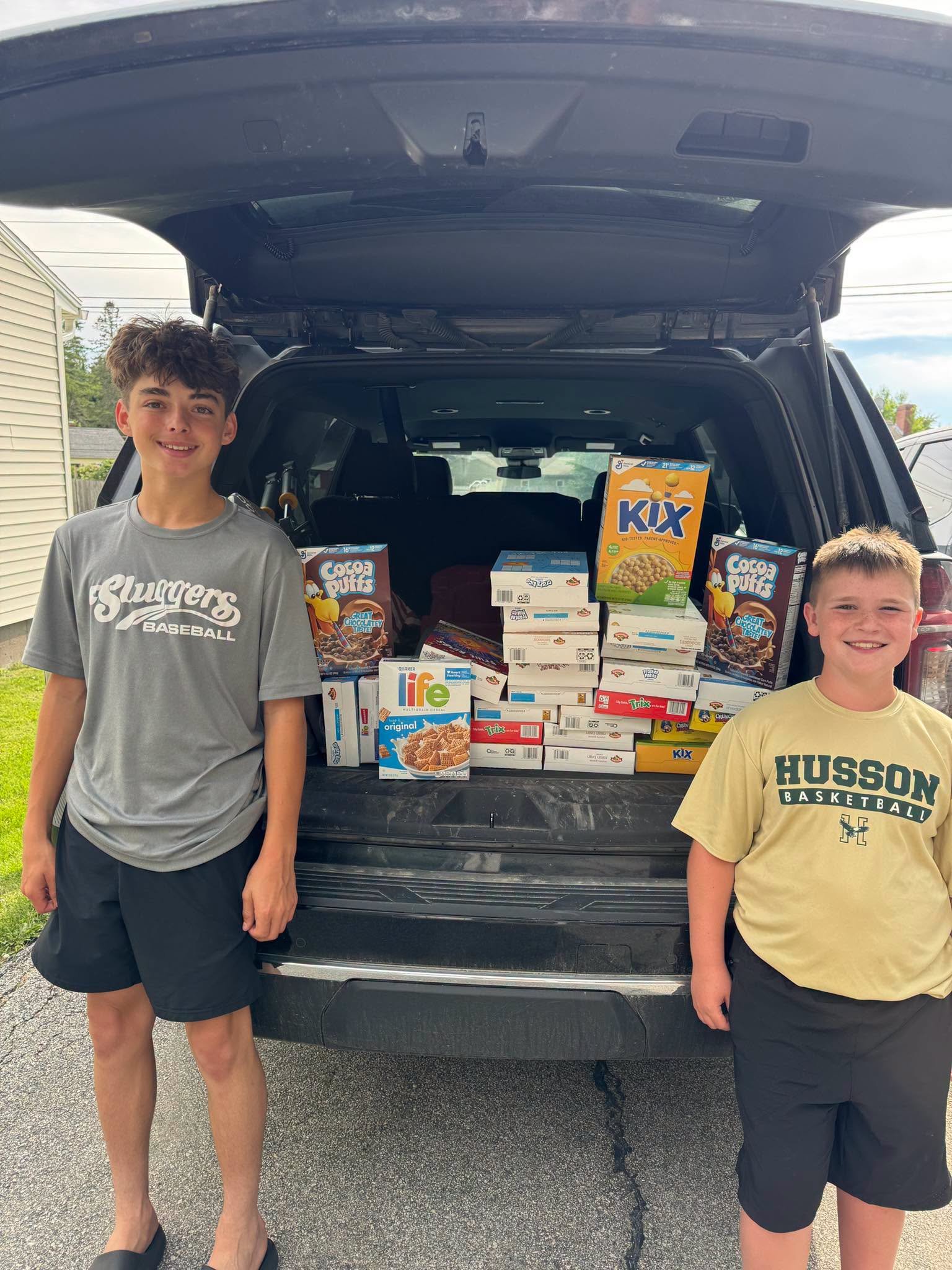
Thank you Brewer Youth Football!

What Happens When You Give a Kid $50 and a Mission?
Youth entrepreneurship isn't just about making money. It's about learning how to manage it with integrity.
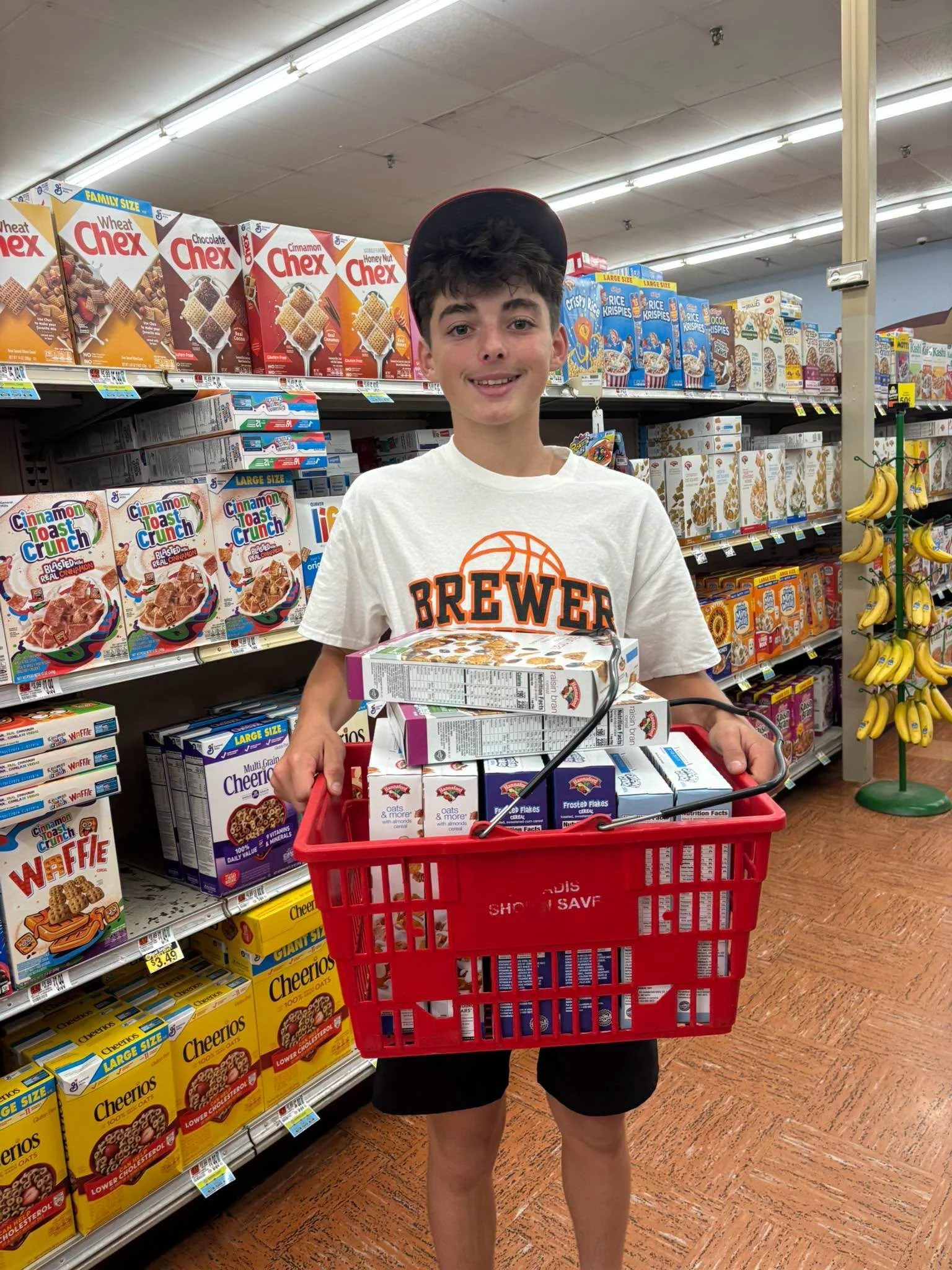
As part of Dorian's annual cereal drive, someone donated $50 to help stock local food pantries. Simple enough...until we got to the grocery store.
Suddenly, they weren't just shopping. They were making decisions.
"Should we buy the name brand?"
"Or does it make more sense to buy two boxes of the store brand instead?"
Every dollar became a conversation about impact.
When you're spending someone else's money, your responsibility changes. You become a steward, not just a shopper.
That's one of the ideas behind The D-Max Effect. Community service isn't only about helping others. It's a classroom without walls, where young people practice leadership, financial decision-making, critical thinking, and values—all in real time.
Long after the cereal is eaten, these lessons remain.
Sometimes the greatest return on a $50 donation isn't measured in boxes of cereal.
It's measured in the leaders it helps build.
What Dorian's Avengers Taught Me About Leadership
Over the past month, I've watched something remarkable happen.
It started with a little friendly competition.
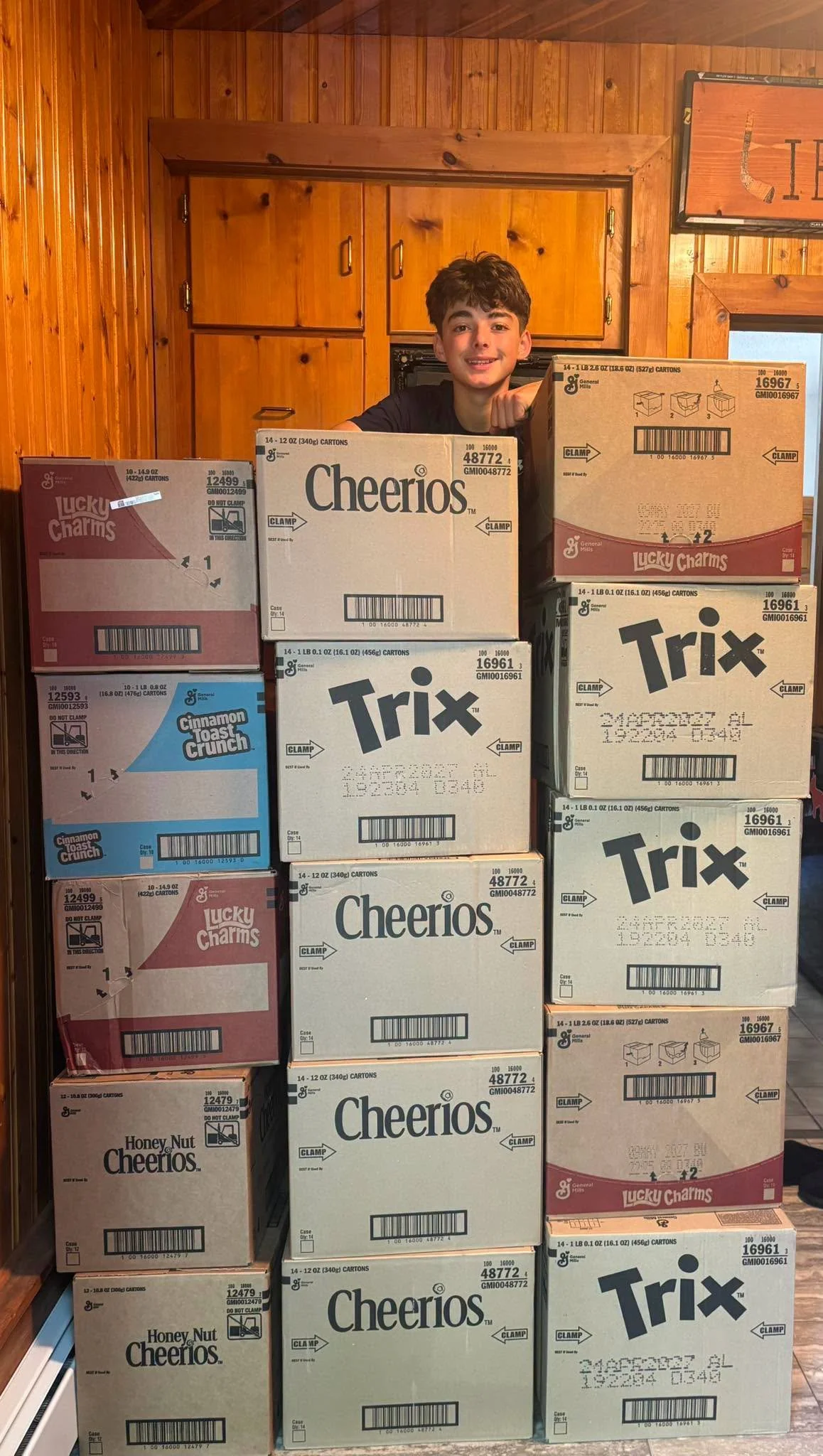
NextHome Experience has more than 150 agents across Maine, and as Dorian started thinking about how many boxes of cereal they could collect for local food pantries, he smiled and announced that he was “assembling the D-Max Avengers.”
It was funny but then people started joining.
Businesses. Families. Schools. Teammates. Neighbors.
Bangor Savings Bank and Acadia Federal Credit Union rallied behind the effort. Donations started coming in from communities across Maine. Watching it grow, I kept thinking about how easily we misunderstand leadership.
We tend to picture the person out front. But Dorian couldn't have collected all that cereal himself. That was never the point.
What he could do was give people a reason to join him.
As we began delivering the cereal to food pantries, we heard stories about families trying to make groceries stretch, kids losing access to school breakfast during the summer, and organizations working hard to keep their shelves stocked.
The boxes suddenly felt different.
Then someone sent Dorian a note that stopped me in my tracks.
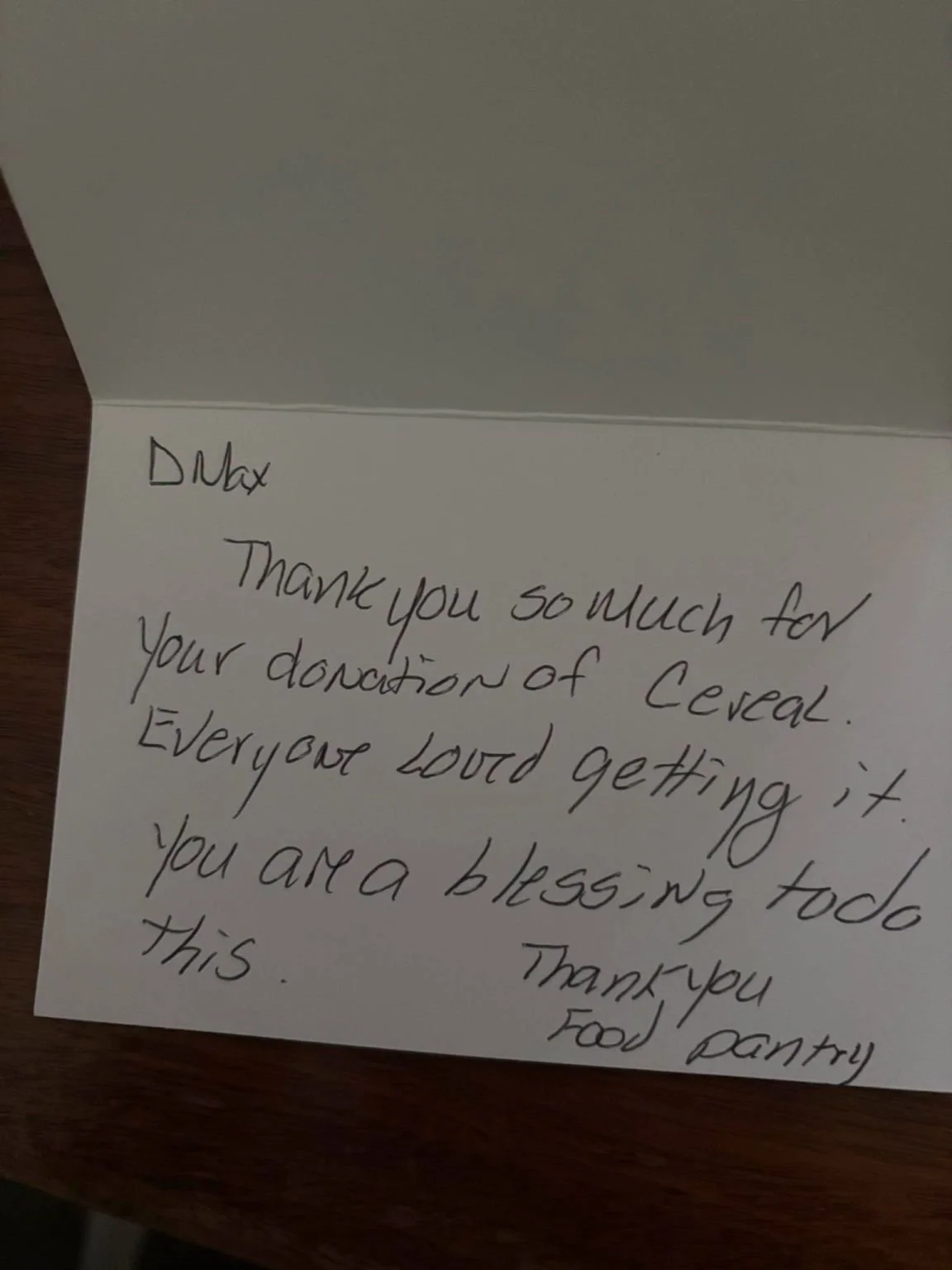
It reminded me that while we were focused on how much cereal we could collect, something else had been happening.
Dorian was learning what it feels like when people believe in an idea enough to make it their own.
That's a leadership lesson I don't think we can teach from a textbook.
You have to experience it and to have an idea that feels a little too big.
You have to ask people to join you and then you have to watch what happens when they do.
That's what his D-Max Avengers gave him.
They showed him that leadership isn't about having the biggest platform or being able to do everything yourself. Sometimes it's simply having the courage to invite people into something worth caring about—and trusting them to bring their own energy, relationships and ideas with them.
That's how one person's idea becomes a community's work.
The cereal will be gone in a few weeks.
That's the nature of this kind of service. The shelves fill up, families take what they need, and eventually it's time to fill them again.
But Dorian will carry something from this experience long after the last box is gone.
He knows what can happen when you ask people to join you and he knows that people will.
To the businesses, families, schools, teammates and neighbors who became D-Max Avengers: thank you.
You helped put breakfast on tables across Maine but you also showed a 13-year-old what can happen when a community decides his idea is worth believing in.
That lesson will last much longer than the cereal.
Trust a Kid. Then Watch What Happens.
Everyone talks about developing the next generation of leaders.
Very few are willing to hand them the keys.
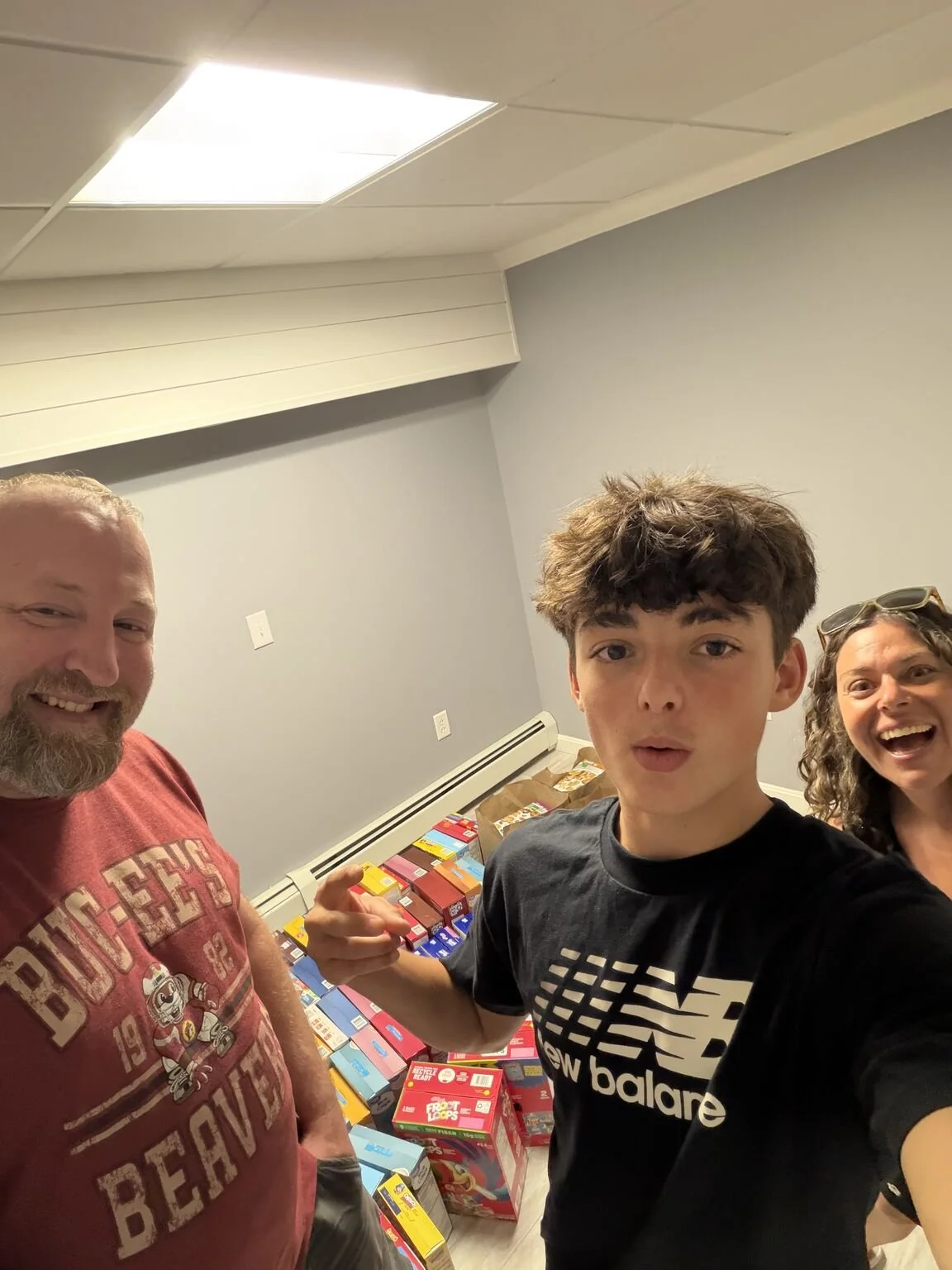
The Great Cereal Challenge officially wrapped up, and the results speak for themselves.
🥣 D-Max and his Avengers: 1,061 boxes of cereal
🥣 NextHome Experience: 440 boxes
Together, that's 1,491 boxes heading to local pantries and another record broken.
Before I go any further, thank you to NextHome Experience. They believed in Dorian from the very beginning, and year after year they've continued to show what it looks like when adults don't just cheer kids on-they stand beside them.
The Great Cereal Challenge didn't just collect cereal. It validated something I've spent years observing through The D-Max Effect: Kids don't need us to lead for them. They need adults willing to believe in them.
Dorian had the vision. Adults opened doors. Businesses said yes. Volunteers showed up. And our community rallied behind a 13-year-old with one goal: making sure no kid goes hungry.
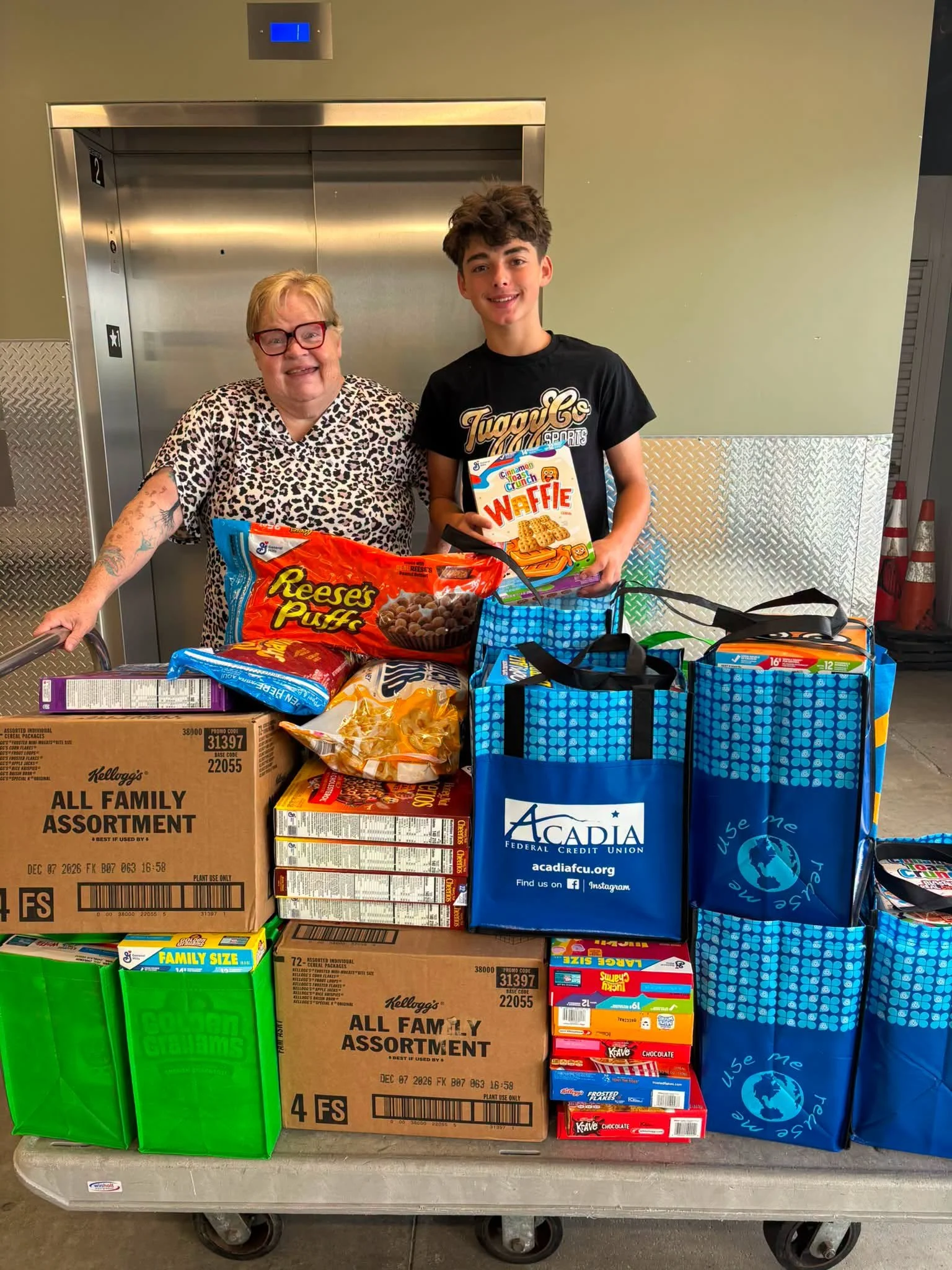
Dorian with a donation for Hope for Homeless
Maybe we've been asking the wrong question.
Instead of asking, "Are kids ready to lead?"
We should be asking, "Are we ready to trust them?"
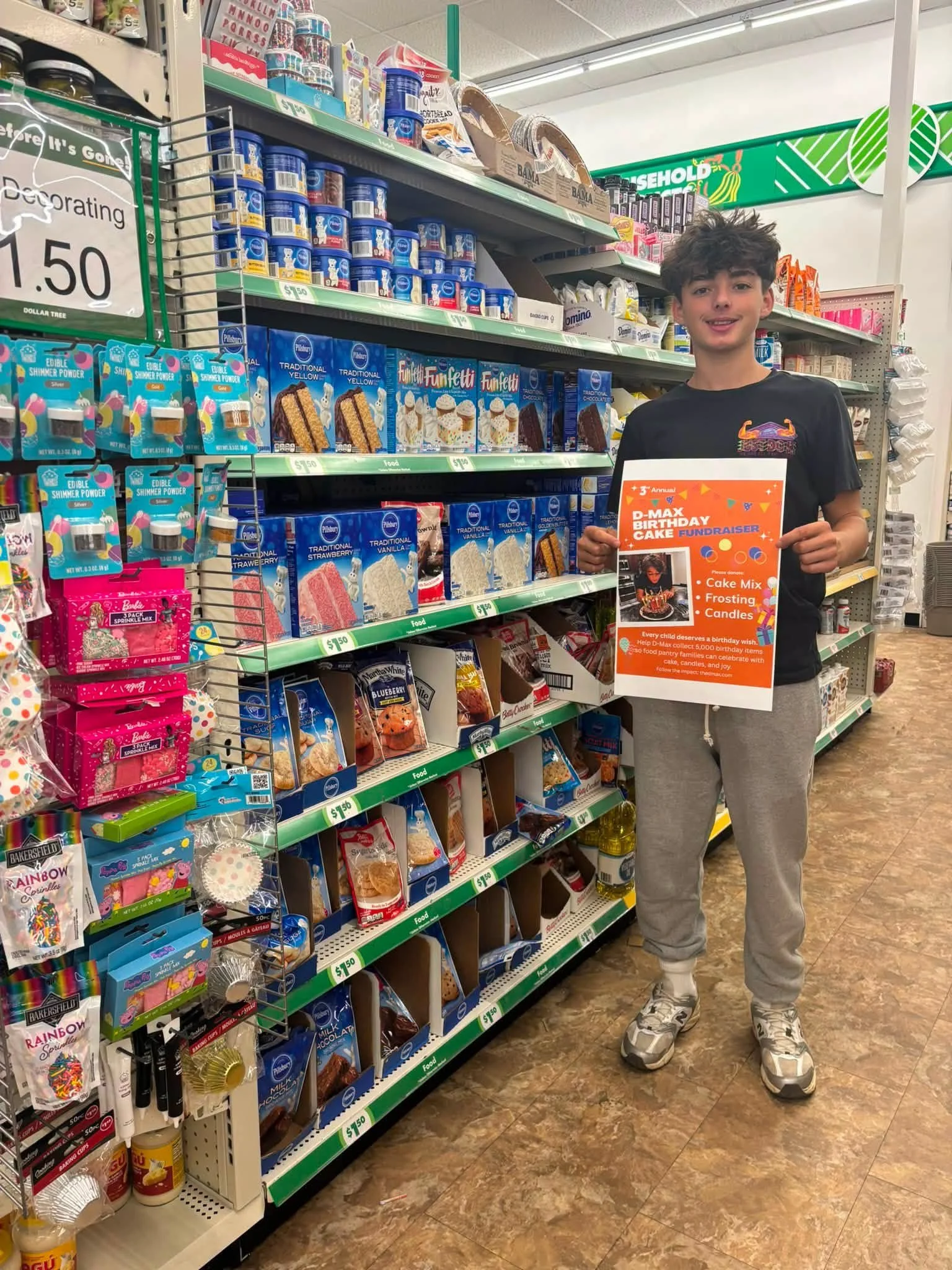
The Adults Behind Confident Kids: Why Saying Yes Builds Young Leaders
Dorian was getting ready to launch his third annual birthday cake fundraiser, and this year Dollar Tree participated for the first time.
Before the campaign had even officially started, one of his former teachers saw the flyer, grabbed a shopping cart and filled it with donations.
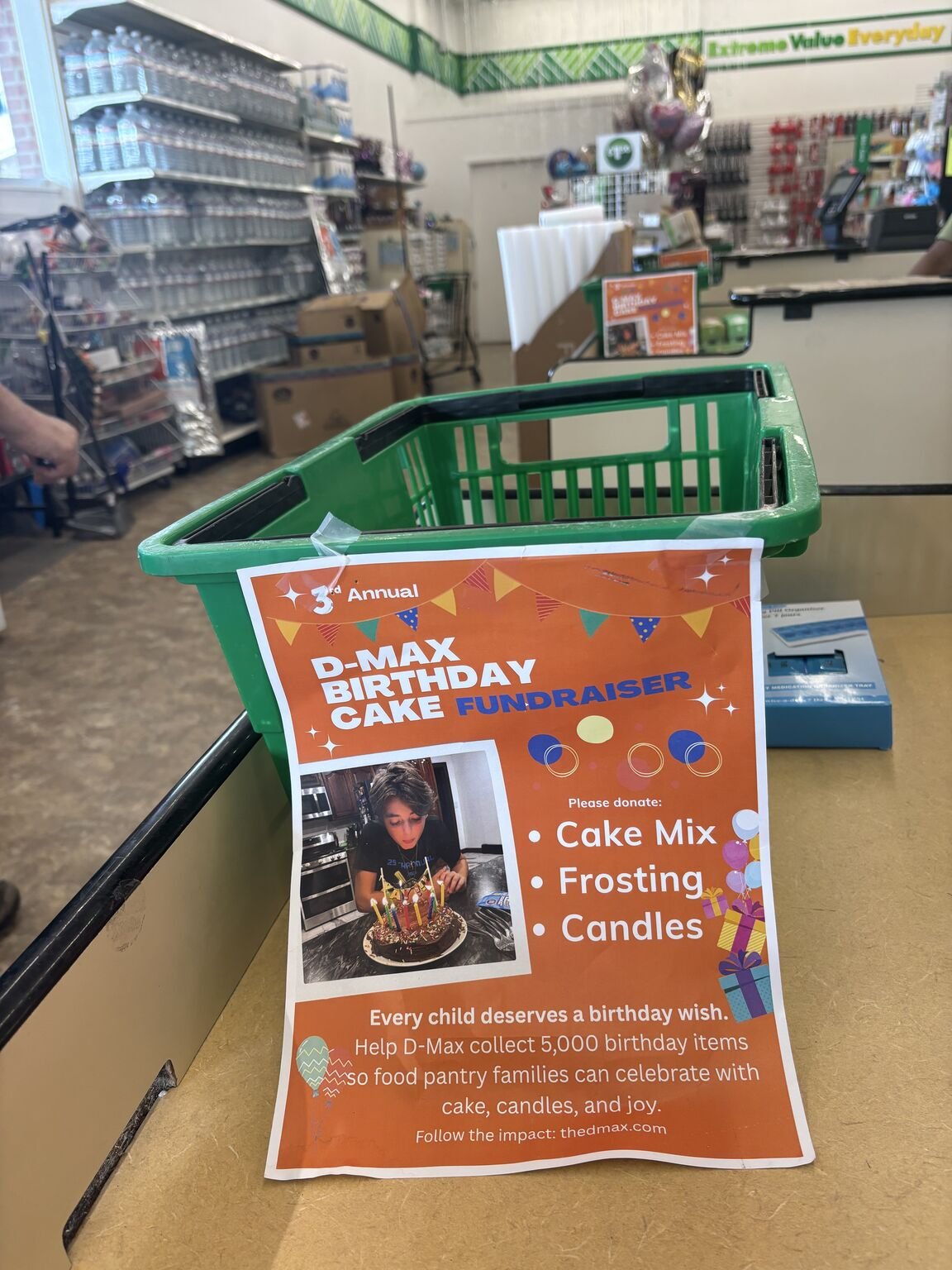
The store manager later told me that experience and how impressed he was by Dorian’s drive and motivation at just 13.
I told him, “It’s because of people like you who say yes and open the door for him.”
I don’t think he realized how much he is part of the story.
We tend to notice the young person who has the confidence to walk into a business, share an idea or ask for support. What we don’t always see are all the people who made that confidence possible.
I’ve watched that happen with Dorian for years.
A teacher takes his idea seriously. A business gives him a chance. Someone makes an introduction or gives him a seat at a table where he gets to learn how to hold his own.
None of those things seem particularly remarkable in the moment.
But they add up.
That’s one of the lessons behind The D-Max Effect that I keep coming back to: young people need adults who are willing to open doors without walking through those doors for them.
I can make an introduction. Dorian still has to have the conversation.
I can help him think through an idea. He still has to explain why it matters.
A business can give him an opportunity. He still has to show up and follow through.
That space between opportunity and ownership is where so much growth happens.
The manager at Dollar Tree thought he was helping with a birthday cake fundraiser.
He was. but he was also becoming one of the people in Dorian’s life who showed him that a 13-year-old with an idea is worth listening to.
Kids remember that and it stays with them much longer than we realize.
So if you’ve ever said yes to a kid with an idea, thank you.
You may be a much bigger part of their story than you know.
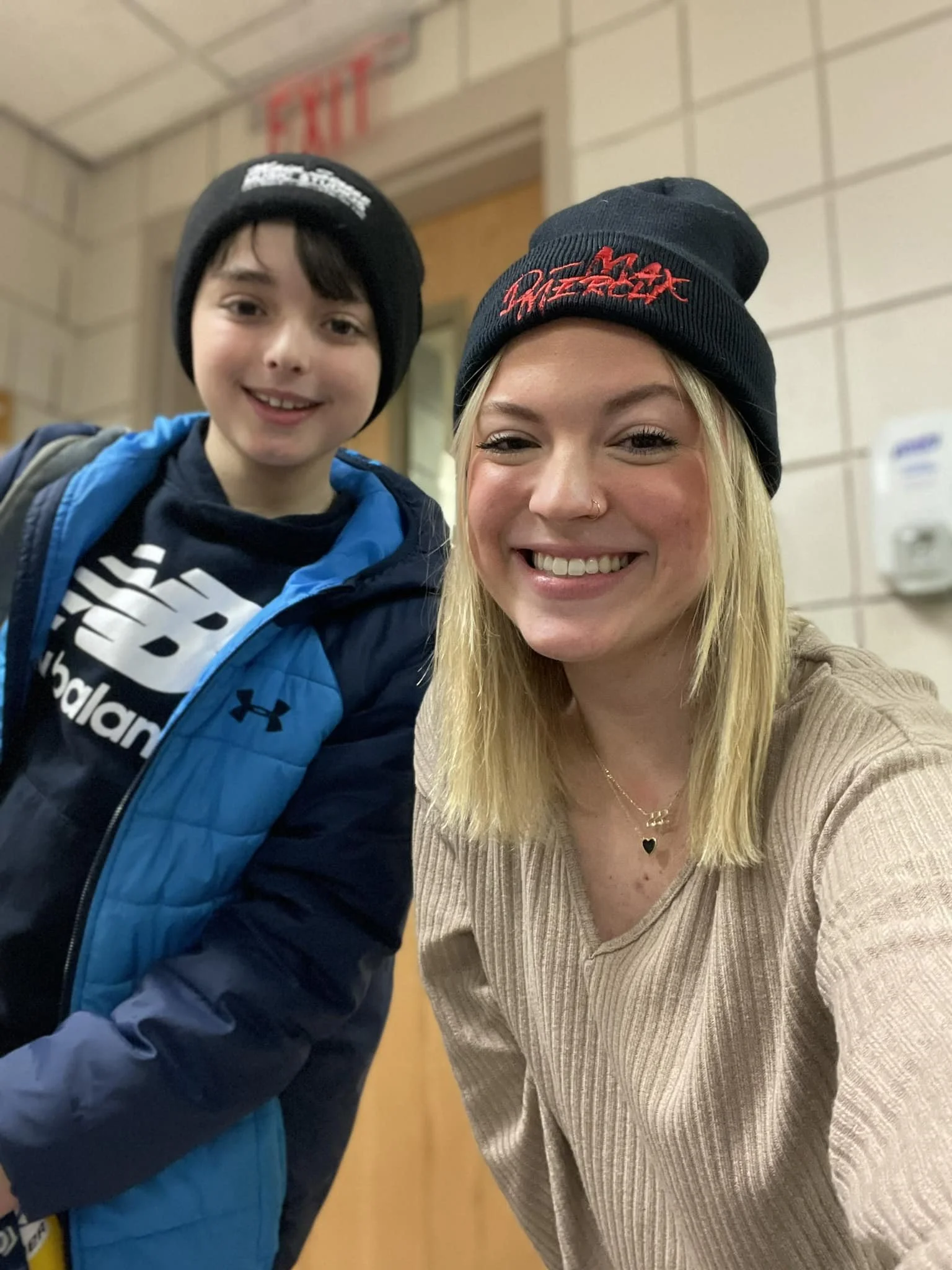
The D-MAX Effect: Sometimes You Get to See the Ripple
I left BLITZ Bangor this year knowing I had to make one phone call.
To Jocelyn, a former UMaine student of mine. I needed her to know that a connection she made years ago was still making an impact.
When I taught at UMaine, Dorian often came to class with me. He'd share his fundraisers, ideas, and little nuggets of wisdom with my students.
One of those students was Jocelyn.
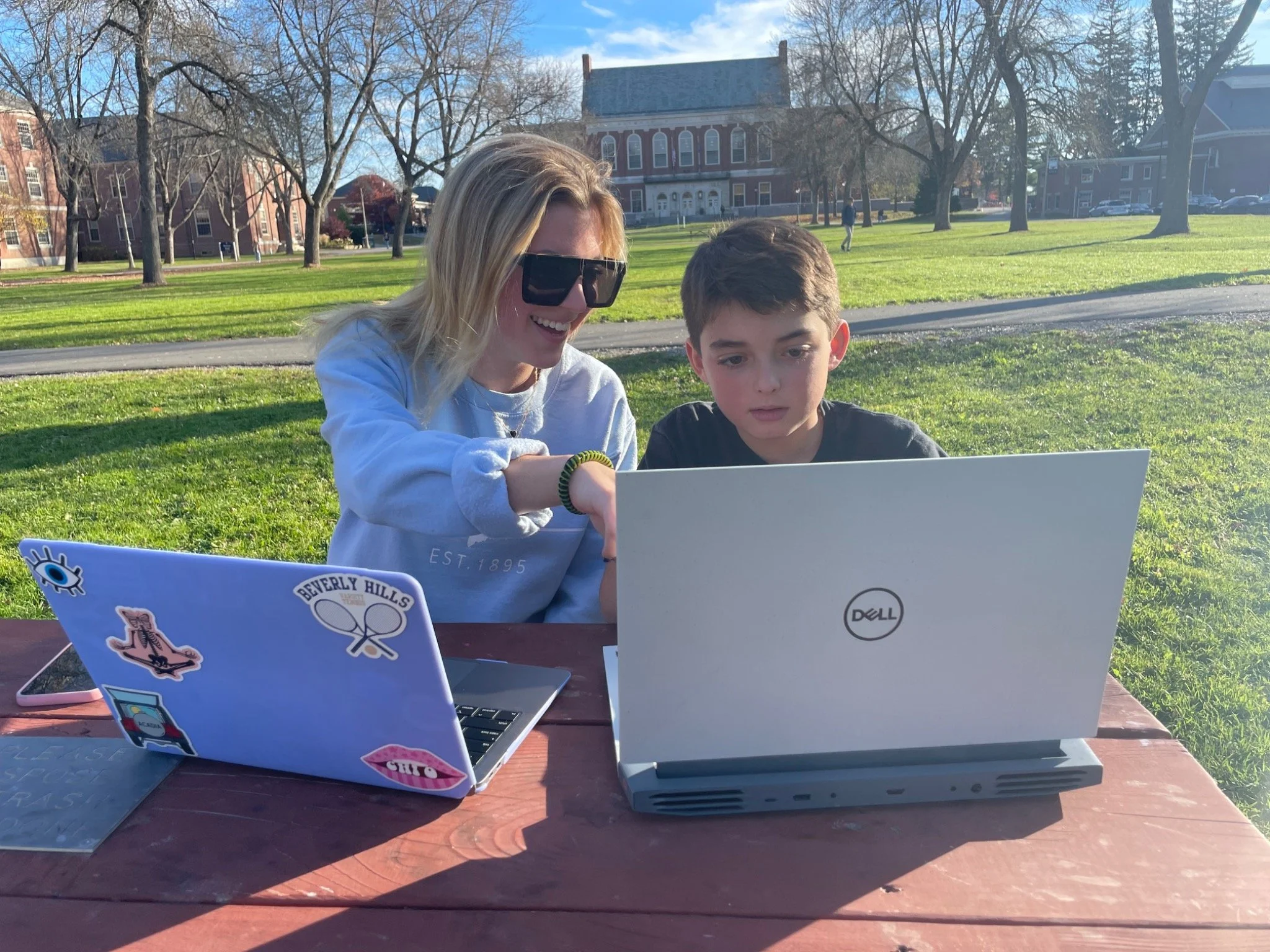
She took Dorian under her wing, helping him with social media and marketing. She even rallied her sorority to volunteer at his Winter Carnival, where he raised money for the Snack Fund.
What started as a classroom connection grew into a friendship that extended well beyond campus.
Fast-forward to BLITZ Bangor.
As Program Manager and Entrepreneur in Residence with UpStart Maine, I have the privilege of helping bring this entrepreneurship conference to life. This was Dorian's second year attending.
During the event, he found himself talking with a group of UMaine business students who were brainstorming ways to get more students to attend their fundraiser.
Interestingly, these students had just met Dorian the week before when he was invited to hear Jack Wilson speak in their class, and Jack called him on stage.
As they talked through their challenge, Dorian offered a suggestion:
"You should connect with Greek life. They really show up and support each other's events."
And my heart just about burst.
Here was my high school freshman, standing among college business students, teaching them how to leverage their networks using something he'd learned firsthand from one of my former students.
And that's why I had to call Jocelyn.
Because years ago, she thought she was simply helping a little boy with his fundraiser. What she couldn't have known was that she was giving him knowledge, confidence, and an experience he would one day pass along to others.
Sometimes we never get to see how far our kindness travels.
This time, I got a front-row seat.
That's The D-Max Effect.
You never know who you're teaching, who you're inspiring, or how far one connection will reach.
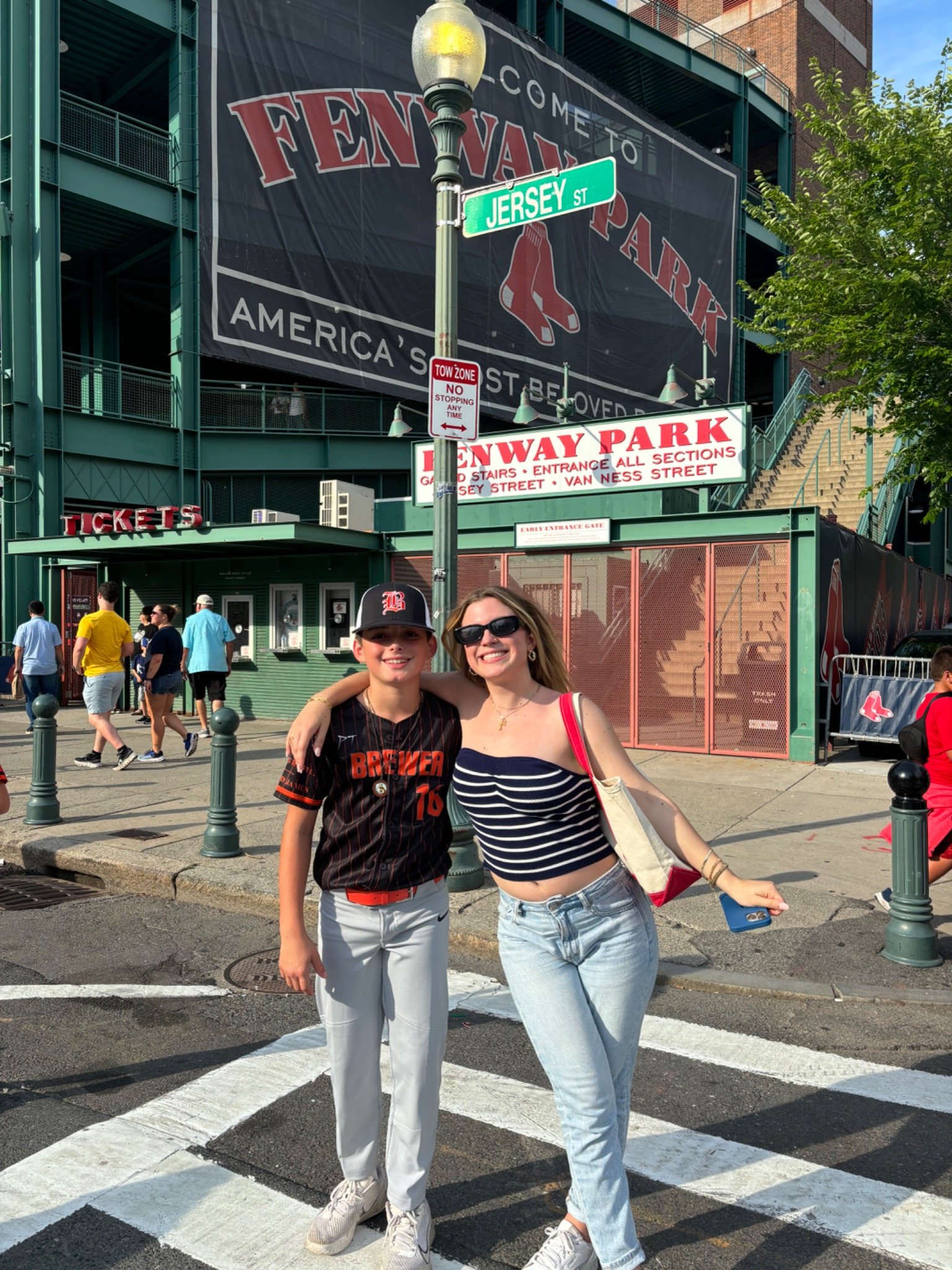
The Friends Who Never Really Leave
It All Begins Here
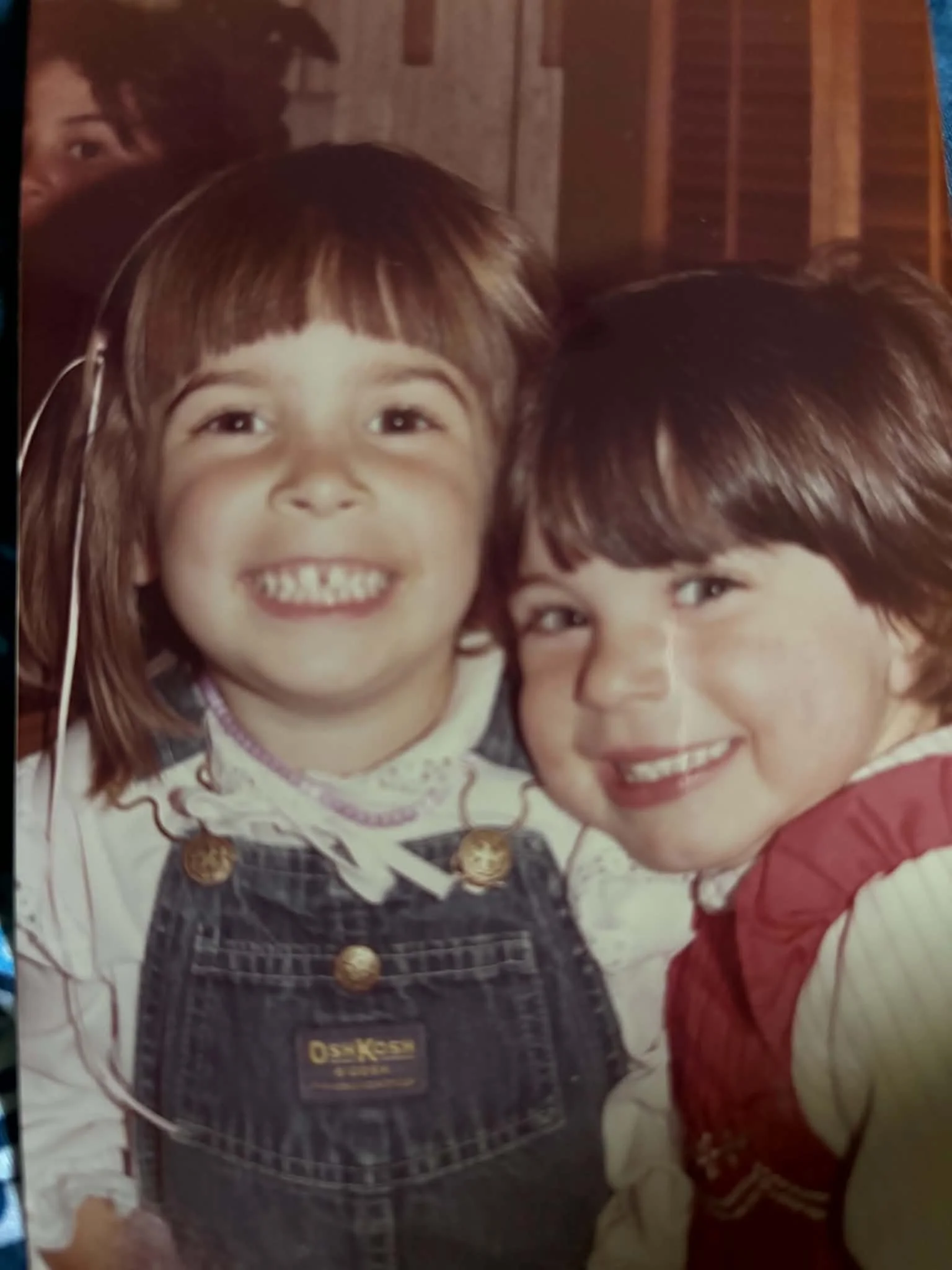
My best friend, Kaitlin, lived just down the street.
If you looked through our childhood photo albums, you'd have a hard time finding one without the other. Swim lessons. Dance classes. Birthday parties. Summer afternoons that seemed like they'd never end. We grew up side by side.
Eventually, life did what life does.
Her family moved to Pennsylvania during elementary school. We built careers, families, and lives that looked very different. The years passed, but somehow the friendship never disappeared. There is something special about the people who knew you before job titles, mortgages, and responsibilities. They remember the version of you that was simply... you.
Fast forward to this summer.
Dorian set out on a mission to make sure no child went hungry. Without hesitation, Kaitlin stepped in to help. Today she works for General Mills, but she never forgot where she came from—or the community that helped shape her.
It reminded me that relationships don't always need constant attention to remain meaningful. Sometimes they're simply waiting for the moment when they matter most.
Community isn't built only by the people who live next door today. It's built by the people who carry a piece of home with them wherever they go.
The D-Max Effect has taught me that every project starts with a single invitation. More often than not, someone says yes because of a relationship that was built years—even decades—earlier.
Never underestimate the power of growing up together.
You may not talk every week. Your lives may head in completely different directions. But when purpose calls, the people who helped shape your story often find their way back into it.
And sometimes, that's exactly how communities change.